On a quiet Sunday morning, beneath slightly worn neon lights, a woman in a black blazer pauses in front of the skincare shelf. On one side sit sleek jars with frosted glass, golden lids, and names that echo luxury perfumes. On the other, a plain white tub with a blue lid. The price label reads less than the cost of a couple of coffees.

She lifts the expensive cream, scans the bold promises, and raises an eyebrow. Then she reaches for the simple tub, turns it over, and smiles. “My dermatologist swears by this,” she tells the cashier, almost apologetically, as if choosing the unattractive option needs defending.
A quiet shift is happening on these shelves. And it has very little to do with marble counters or rose-gold tools.

The basic moisturizer professionals actually trust
Ask dermatologists what they personally use at home, and a pattern quickly appears. The answers usually point to the same kind of product: a cheap, fragrance-free, no-frills moisturizer in a tube or tub.

No sparkling peptides. No diamond claims. Just a thick, slightly old-fashioned cream that looks like it could have lived in a grandparent’s bathroom cabinet.
That unassuming product is the one quietly earning the top spot in clinics worldwide.
What dermatologists pull out when asked for “the best”
A New York dermatologist once explained that when patients ask for “the best cream celebrities use,” she smiles and reaches for the same sample every time: a basic pharmacy-brand moisturizer. No influencer campaign. No luxury counter. Just a simple label and a formula built around ceramides and glycerin.
She remembers a patient with severely dry, irritated skin who had tried multiple high-end “cloud creams,” each more expensive than the last. Nothing helped. After one month using the plain moisturizer, her skin barrier settled, redness eased, and she no longer felt the need to hide irritation under heavy makeup.
The patient’s reaction said it all: “You’re telling me this was enough?”
Why simplicity wins in dermatology
From a clinical perspective, the reasoning is straightforward. Skin does not respond to marketing; it responds to ingredients and how they work together. Most specialists look for short, functional formulas built around:
- Humectants like glycerin or hyaluronic acid
- Occlusives such as petrolatum
- Barrier-repair ingredients like ceramides or niacinamide
Fragrance and essential oils are often skipped, not because they are inherently bad, but because they are among the most common triggers for irritation and allergic reactions. For many experts, the “number one” cream is simply the one that hydrates, protects the barrier, and stays out of the way.
Unexciting in the jar, transformative on stressed skin.
Using a basic cream so it actually delivers results
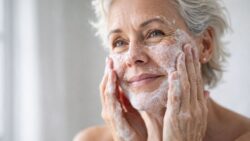
Application matters more than most people realize. Dermatologists often describe the same minimal routine: a gentle cleanse, slightly damp skin, then a generous layer of moisturizer. Not five steps. Not ten products. Just one cream used properly.
Many suggest warming the product between your fingers and pressing it gently into the cheeks, forehead, and chin instead of aggressively rubbing. The idea is to coat the skin evenly, like pulling on a soft cotton shirt rather than squeezing into something restrictive.
On especially dry days, a thin second layer on areas like the cheeks or around the nose can make a noticeable difference.
 Washing a Beard With Regular Hair Shampoo Can Cause Dry Skin and Intense Itching, Experts Warn
Why good moisturizers often get blamed unfairly
People frequently undermine even the best products without noticing. They over-cleanse with harsh foaming washes, layer multiple active serums, then blame the moisturizer when their skin stings or turns red. Often, the issue isn’t the cream, but the overloaded routine around it.
Dermatologists almost sound relieved when someone agrees to simplify: a mild cleanser, one reliable moisturizer, sunscreen in the morning. Give it four weeks. In many cases, the skin responds with calm, steadier hydration.
The “old-school” features experts keep repeating
This doesn’t mean abandoning all treatments forever. It means respecting the foundation first. As one French dermatologist put it:
“Trendy actives are like high heels. Nice sometimes, but you don’t live your life in them. Everyday skin health depends on a solid pair of sneakers — a basic moisturizer.”
She repeatedly highlights what she looks for in these dependable creams:
- Short, easy-to-read ingredient lists
- Little to no fragrance
- Ceramides, glycerin, and/or petrolatum
- Tested on sensitive skin, not just “normal” skin
- Affordable pricing that allows generous daily use
That last point matters more than most admit. When a cream is too expensive, people apply less — and then decide it doesn’t work.
What this shift reveals about modern beauty
When dermatologists consistently recommend modest products, it raises an uncomfortable question: are we paying for the formula, or the fantasy around it?
Many people recognize that moment of hope when opening a luxury jar, believing it might finally change how they look or feel. The basic moisturizer doesn’t offer that dream. It simply promises to support skin in doing its job.
Choosing the plain tub at night, after a day of scrolling through flawless faces, can feel oddly grounding. It’s a decision based on function, not illusion. Supporting the skin you have, not the one advertising suggests you should want.
A quiet kind of rebellion
There’s something subtly defiant about prioritizing barrier health over packaging. Glow comes less from a gold lid and more from skin that isn’t constantly inflamed or dehydrated.
This approach doesn’t banish beautiful jars forever. It simply reshuffles priorities. First, a dependable, barrier-friendly moisturizer. Then, if desired, the extras — a serum here, a mask there.
The dermatologist “number one” isn’t a secret brand. It’s a category: simple, strengthening moisturizers that work across ages, genders, and trends.
The next time you stand under fluorescent lights in the skincare aisle, the real question may not be “Which cream looks the most luxurious?” but “Which one will my skin quietly thank me for months from now?”
| Key point | Detail | Value for the reader |
|---|---|---|
| Dermatologists love simple formulas | Basic, fragrance-free moisturizers with humectants and barrier-repairing ingredients | Helps you choose products that actually work, not just sound impressive |
| Application matters as much as the product | Gentle cleansing, damp skin, generous and regular use | Maximizes results from even very affordable creams |
| Price doesn’t equal performance | Old-school pharmacy creams often outperform luxury jars for sensitive, dry, or irritated skin | Saves money and reduces frustration from constant product hopping |