
The retired man believed he was doing something good for nature. He had a small plot of land, no longer used for farming, where he simply let the grass grow wild each spring. So when a young beekeeper approached him to ask if he could place a few hives on the property, the response was immediate: “Of course, bring your bees.”
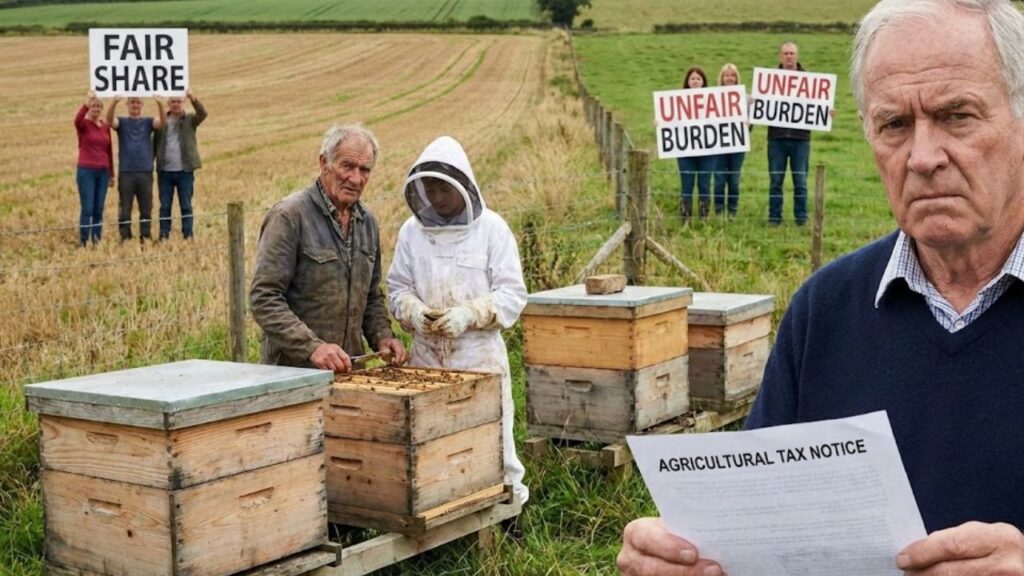
However, a year later, a letter from the tax office arrived. The land, now classified as “agricultural use” due to the presence of the hives, was suddenly subject to agricultural tax. Despite not earning any income, the retiree found himself liable for hundreds of dollars in tax, while the beekeeper kept his honey. The retiree, meanwhile, was left with the bill.
A Simple Act of Generosity Becomes a Tax Nightmare
On the surface, this story seems almost unbelievable. A retired man, living on a modest pension, agrees to let a beekeeper place his hives on his land, with no rent, no contract—just a handshake and the quiet hum of bees in the background. But then, tax laws stepped in.

The government reclassified the land as agricultural, because the hives were deemed part of an agricultural activity. No one had warned the retiree that allowing the bees would alter the legal status of his land. He never considered himself a farmer; the tax office did.
 Psychology says what walking with your hands behind your back reveals about you according to experts
As the story spread on social media, opinions were divided. Some called it a scandal, accusing the state of “taxing kindness.” Others defended the decision, arguing that tax laws are clear and any land used for agricultural purposes should be taxed, regardless of who benefits financially.
Similar stories began flooding in on radio phone-ins. One woman shared how she allowed a neighbor to graze two goats on her property, only to face the same tax issue. Another man admitted he turned away a young farmer, fearing the tax inspector would show up at his door. In a country that promotes environmental responsibility and local food production, this clash felt particularly harsh.
Understanding the Tax System: A Simple Mechanism at Work
At the heart of the outrage lies a straightforward system. Tax laws don’t care about generosity or friendship; they only consider how the land is being used. If the land is used for agricultural purposes—whether it’s for crops, livestock, or beehives—it can be reclassified and taxed accordingly.
In practice, the tax office targets the landowner, not the beekeeper, who may be too small-scale to be subject to significant taxes. So, the retiree becomes an easy target. This creates a sense of unfairness, as he didn’t expect any financial gain but still ends up bearing the financial burden. A quiet patch of land and a few hives thus become the center of a national conversation about fairness and taxation.
How to Help Nature Without Getting Caught in Tax Issues
If you’re considering lending your land for beekeeping, farming, or livestock grazing, there’s one unglamorous step that can save a lot of future problems: get professional advice on the tax rules in your area. Consult a local advisor, farming union, town hall, or accountant. Ask a simple, concrete question: “If I let someone use my land, will it change my tax status?”

Written Agreements Can Prevent Future Headaches
Sometimes, specific agreements or environmental schemes exist that can protect small landowners and volunteers. In certain regions, you can sign a simple written agreement to clarify that there is no rent or commercial partnership involved. While this doesn’t solve everything, it does create a record. That piece of paper can be more valuable than good intentions alone.
If you find yourself in the retiree’s position, facing a tax bill, don’t panic. Start by asking the tax office for a clear explanation of how the tax was calculated. Was the land reclassified? When did this change take place, and what evidence supports it?
Sometimes, tax offices will review the situation if the activity on the land is minimal, seasonal, or clearly non-commercial for the owner. You can also reach out to the beekeeper or farmer—perhaps they can officially rent the land or declare the activity under their own name instead of yours.
The Dilemma of Generosity and Taxation
Many landowners now refuse to host hives, feeling betrayed by a system that punishes goodwill. One retired teacher summed it up bluntly: “If helping bees means paying more tax, I’d rather let the brambles take over.”
This type of frustration runs deeper than legal arguments. To avoid resentment, consider taking a more practical approach:
- Clarify the official classification of your land before making any changes.
- Put verbal agreements in writing, even if it’s just a simple one-page note with signatures.
- Share the responsibility: ask the beekeeper or farmer to co-sign agreements, not just benefit from them.
- Check with your local government about any environmental or biodiversity programs that might protect small arrangements.
- Keep detailed records: photos, dates, and messages can help support your case if anything goes wrong.
Is the System Fair? A Larger Debate About Law and Intent
This retiree’s experience raises a bigger question: Do we want a society where every small act of kindness is scrutinized by tax codes and legal definitions? Or are we willing to adjust the rules to make room for small-scale acts of solidarity, especially when they contribute to biodiversity?
In cafes across the country, people are expressing their frustrations. “You help someone, and you end up paying for it,” and “Soon, we’ll need a lawyer just to plant tomatoes.” These comments, though exaggerated, reflect deep dissatisfaction with systems that seem to disregard intention and human kindness.
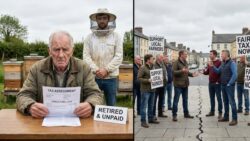
Key Takeaways: Navigating Tax Risks in Small-Scale Land Use
- Tax follows land use: Authorities focus on how land is used, not the owner’s generosity. This helps you anticipate potential tax risks before lending land.
- Written agreements matter: Even if the land is used for free, without clear documentation, the tax status could change. Written agreements provide practical leverage in case of disputes.
- Collective debate is growing: The clash between bees, small farms, and rigid tax rules is stirring conversation. Join the debate and advocate for more fair policies that balance the needs of local farmers and nature.
