
A man settles into the barber’s chair, runs his fingers through his hair, and says—almost apologetically—he’s growing it out so it can cover more. The barber pauses, scissors mid-air, searching for a gentle way to explain the opposite. The top looks soft but thin, the sides hang limp, and under bright light the crown is clearly visible. The extra length doesn’t conceal anything. It simply highlights the issue.
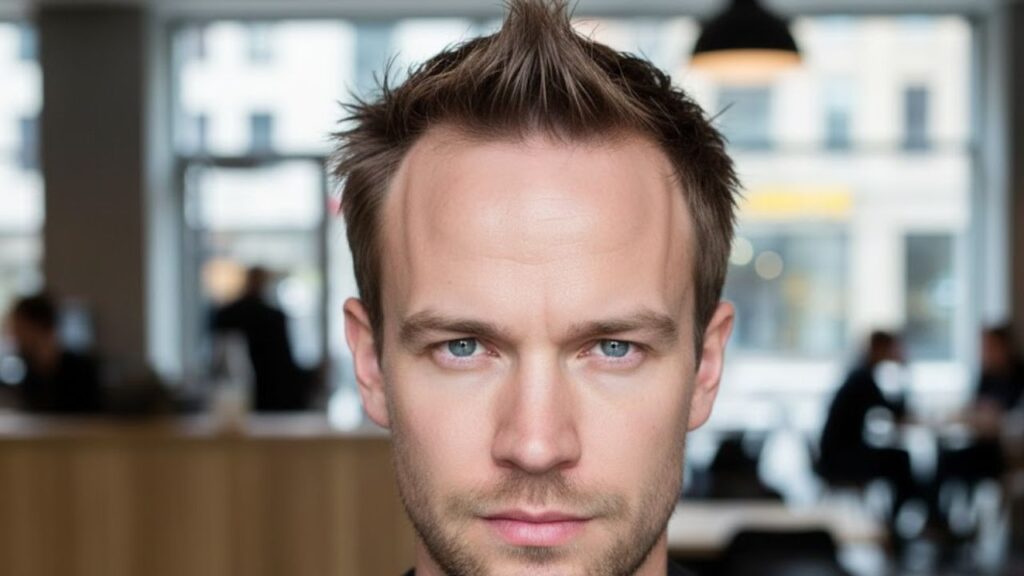
Outside the shop, the same scene plays out everywhere. In offices, gyms, and café lines, you notice light strands stretched across a reflective scalp, like worn curtains over a wide window. The intention is understandable. The result is unforgiving under daylight, phone cameras, and overhead lights. Many men believe more length equals more coverage. In reality, the contrast becomes sharper.
The Hard Truth About Length and Thickness
Here’s what few want to accept: shorter hair often appears fuller. Extra length can make thinning far more obvious.

Why Longer Hair Draws Attention to Thinning Areas
Look closely at men holding onto their remaining strands. The hair is usually longer on top, brushed forward or to the side in an attempt to shade the scalp. From a distance, it might work briefly. Up close, the illusion fades. As strands grow longer, the space between each hair becomes more visible. The scalp shows through, pale and reflective, like ground exposed beneath sparse trees.

Lighting makes it worse. In bright environments, thin hair can’t block light, so the scalp shines through. A 2022 survey by a UK grooming brand found that over 60% of men with thinning hair first tried growing it longer before choosing a shorter cut. Many later admitted that photos and videos made them realize it looked worse. Cameras amplify contrast, and there’s nowhere to hide.
This isn’t just psychology—it’s simple optics. Long strands weigh themselves down, lying flat and revealing the lighter scalp beneath. Shorter, evenly cut hair stands up more easily, creating texture and shadow. That shadow softens reflection, making the head look more uniform. When fragile hair is stretched out, the eye doesn’t see length—it sees thinness.
Styles and Habits That Make Hair Look Denser
The first step often feels backward: reduce the length on top and clean up the sides. Think of a soft crop, a short textured quiff, or a neat buzz with a subtle fade. The aim isn’t severity—it’s balance. Slightly shorter sides, a controlled top, and plenty of uneven texture instead of one flat layer. Texture is the key ally.
Daily habits matter, but they don’t need to be complicated. Choose light, matte products instead of glossy gels. Shine reflects off the scalp and exposes gaps. A quick blow-dry with your head tilted down can lift the roots and stop hair from collapsing flat. Even doing this a few times a week changes how hair behaves and looks.
 Air-Drying Short Hair Often Triggers Frizz - Try This T-Shirt “Plopping” Method for Better Texture
Barbers notice the same cycle again and again: men delaying trims, hoping extra length will somehow restore density. As one East London barber puts it, shorter styles offer control. The scalp blends into the overall shape instead of competing with the hair for attention.
Practical Shortcuts That Actually Help
- Schedule trims every 3–5 weeks to maintain shape and texture.
- Use matte clays or pastes instead of gels or heavy waxes.
- Ask for texture across the top, not just height at the front.
- Keep beard and haircut aligned—sharp hair with an untamed beard feels unbalanced.
- Try a slightly shorter cut than you think works—photos often change minds.
Reframing the Way You See Your Hair
When hair starts to thin, a quiet discomfort can set in. On bad days, there’s the urge to hide behind longer fringes, caps, or carefully chosen selfie angles. On good days, it becomes a joke. Most days, it’s a small doubt that surfaces in mirrors and bright rooms.
Many men cling to the belief that keeping hair long means no one will notice. That belief lasts until an unfiltered group photo appears or a phone camera catches the top of the head at the wrong angle. Suddenly, thinning becomes impossible to ignore.
Choosing a shorter cut isn’t about giving up—it’s about changing the narrative. Instead of hiding, you select a style that works with reality. Hair becomes one part of your presence, not a fragile disguise. Often, a minor adjustment—less length, added texture, or a new barber—can quietly shift how you carry yourself.
When a man stops fighting his scalp with length and starts working with what he has, something eases. People notice confidence far more than they notice missing hair. And that confidence is often what grows when the hair gets shorter.

Key Takeaways at a Glance
- Excessive length: Long, thinning hair increases contrast with the scalp, making hair loss more visible.
- Short, textured cuts: Reduced length and added texture create shadow and visual density.
- Simple routines: Matte products, light drying, and regular trims improve appearance without complexity.
