
The first time I heard it, I laughed. “There’s a plant that’s basically a snake magnet,” my neighbor said, gesturing toward a lush corner of her backyard. It was a thick tangle of green leaves and pale flowers, alive with insects and heavy with that sticky, pre-storm summer air. It looked peaceful, almost decorative.
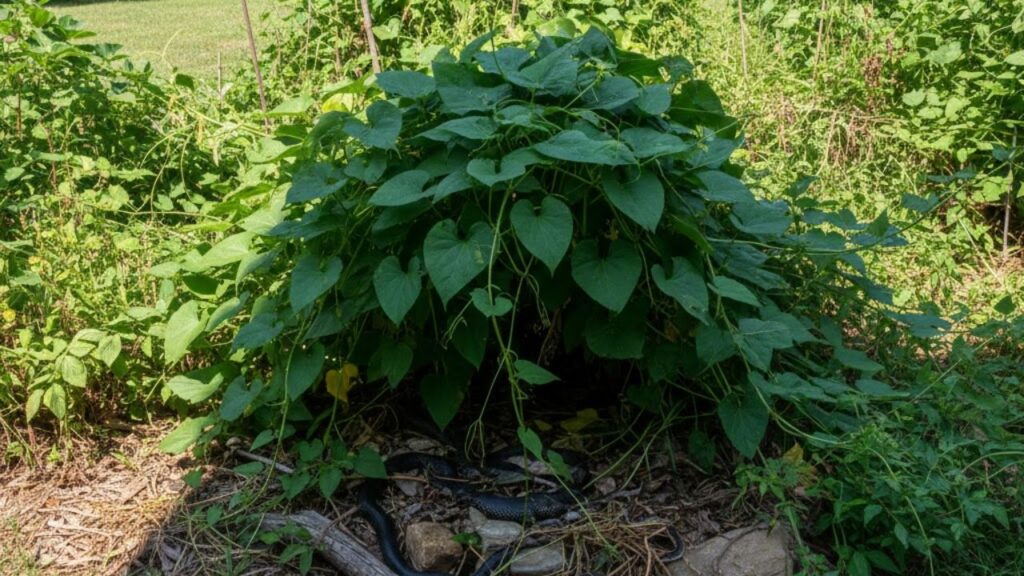
Then we saw it. A long, dark shape slid out from the base of the plant, moving quietly and effortlessly, before vanishing beneath her deck. It happened so fast we barely had time to react.
We both froze, suddenly aware of our bare ankles in the grass, listening for any sound. Later, an expert friend confirmed what we’d just witnessed: some plants don’t simply attract wildlife in a charming way. They invite snakes to settle in.
 Goodbye Natural Night Cycles The Growing Impact of Artificial Light on Humans and Wildlife
And there’s one popular garden favorite that tops that list.

The unassuming plant that turns gardens into snake hideouts
The plant in question is dense ornamental groundcover, especially English ivy and similar sprawling ivy varieties. They look elegant in photos, lush in garden centers, and perfect for covering fences, walls, or bare soil.
For snakes, though, that leafy carpet isn’t decoration. It’s prime real estate. The overlapping leaves keep the ground cool, conceal small prey, and form narrow pathways where a snake can move unseen.
From a reptile’s perspective, a thick ivy bed is less landscaping and more luxury shelter with food included.
When a “low-maintenance” plant becomes a problem
One suburban homeowner in Georgia described how proud she once was of the ivy in her yard. It softened a wild corner, crept under shrubs, spilled over a low wall, and wrapped around old tree trunks with ease.
By midsummer, strange signs appeared. She found shed snake skins near the hose, heard rustling that wasn’t birds, and once saw a tail vanish when she opened the gate. At first, she dismissed it as a coincidence. Then she logged three sightings in one week.
When she called a wildlife control specialist, his first question wasn’t about traps or repellents. It was simple: “Do you have any dense ivy or low groundcovers near the house?”
Why snakes are drawn to thick groundcovers
The reason is straightforward. Snakes aren’t interested in the plant itself. They’re drawn to what it provides: cover, moisture, and food. Thick ivy shelters frogs, lizards, mice, and insects, which are exactly what many snakes hunt.
The dense foliage keeps the soil shaded and damp, even during heatwaves, allowing snakes to move without overheating or drying out. It also gives them instant escape routes. At the first vibration or footstep, they disappear beneath the leaves.
So while homeowners see lush, low-maintenance greenery, snakes see perfect camouflage paired with a steady food supply.
 People who push in their chair when leaving the table often share these 10 unique personality traits
Designing a garden that snakes don’t want
The good news is you don’t need to turn your yard into bare concrete to discourage snakes. A green, attractive space is still possible. The key is replacing dense, creeping carpets with plants and layouts that don’t create endless hiding spots.
Start by reducing large patches of English ivy and similar groundcovers near the house, patios, play areas, and narrow side yards. Replace them with upright, clumping plants like ornamental grasses, lavender, salvia, or compact shrubs.
These grow vertically instead of spreading flat, eliminating the dark, low tunnels snakes prefer.
Simple landscaping changes that make a difference
Many people fall into the ivy trap because it feels like a quick fix. It hides flaws, fills empty spaces, and makes a yard look “finished.” But the reality is that unchecked groundcover thickens fast, often turning into a dense jungle within a single summer.
If you already have ivy, there’s no need for a drastic weekend purge. Start by cutting it back from paths, doors, and seating areas. Open up sightlines. The more sunlight reaches the soil, the less appealing it becomes to snakes.
As one Florida wildlife control expert puts it, snakes look for shade at ground level, clutter, and quiet corners. Dense groundcovers provide all three.
- Choose clumping, upright plants instead of sprawling groundcovers.
- Leave visible strips of mulch or bare soil along fences and walls.
- Keep grass trimmed, especially near foundations.
- Store firewood and garden items off the ground and away from living areas.
- Trim lower branches of shrubs so the base stays visible.
Sharing space with nature without inviting trouble
Once you start viewing your yard from a snake’s perspective, familiar features look different. That ivy-covered fence feels less charming. The shaded clutter behind the shed suddenly looks like a perfect hiding zone.
This doesn’t mean turning your garden into a battleground. Most snakes are non-venomous, shy, and far more afraid of people than the other way around. The goal isn’t to remove wildlife, but to stop unintentionally welcoming it.
By choosing flowers, native shrubs, and less dense plantings, you can still support birds, bees, and butterflies while quietly removing what makes snakes feel at home. The reward is simple: greater peace of mind when kids run barefoot or pets explore the yard.
And that moment when you hear a rustle and don’t immediately tense up? That alone can make a small garden redesign feel worthwhile.

| Key Insight | What It Means | Why It Matters to You |
|---|---|---|
| Avoid thick ivy near homes | Groundcovers like English ivy form shaded, hidden pathways close to the soil | Lowers the chance of your yard turning into a comfortable summer shelter for snakes |
| Choose upright, bunching plants | Plants such as ornamental grasses, lavender, and small shrubs grow in clusters, not mats | Maintains a neat, appealing garden while reducing places where snakes can hide |
| Keep ground-level spaces open | Regular pruning, removing debris, and keeping clear views around walls and foundations | Helps you notice wildlife sooner and creates a safer, more comfortable outdoor space |
