She keeps staring at the new silver strand catching the light along her parting, like an unwanted spotlight she can’t ignore. As she squeezes the shampoo bottle and works it into a lather, one thought keeps looping: there has to be an option that doesn’t mean going back to full hair dye again.
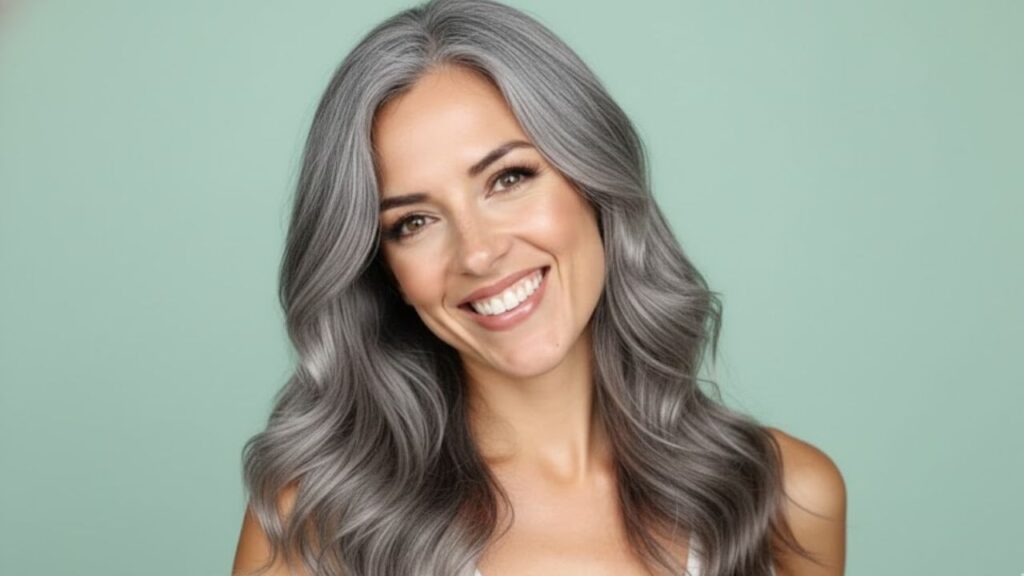
On the bathroom shelf sit ordinary things: a forgotten jar of coffee, an old tin of tea, a bottle of castor oil picked up on holiday. Nothing fancy, nothing marketed for beauty. Yet it’s in these everyday spaces that a quiet shift is happening. More people are experimenting with their shampoo instead of booking salon appointments every few weeks. One small change, one repeated habit, and over time the grey starts to soften and deepen, like a memory slowly rewinding.
Why “Darkening Shampoo” Is Suddenly Everywhere
Grey hair rarely arrives discreetly. It shows up at the temples, around the ears, always where light hits first. Under bathroom lighting, pale strands stand out sharply, like highlights drawn with a marker.
 Goodbye air conditioning and goodbye fans: here is the new trend to cool your home and save energy
For many, the issue isn’t grey hair itself. It’s that awkward in-between stage: not fully salt-and-pepper, not fully dark, just uneven patches that catch every reflection. That’s why the idea of gently deepening your natural shade, instead of completely recolouring it, feels so appealing. The focus shifts from dramatic change to subtle adjustment.

This is where shampoos that tint, revive, or softly “shadow” the hair enter the conversation. They promise routine-level solutions, not total transformations. Scroll through social feeds and you’ll see it play out: people skip past glossy dye ads and pause on simple bathroom hacks filmed in real homes, not studios. That realism makes them feel trustworthy.
Search trends reflect the shift. Phrases like “coffee shampoo for grey hair,” “sage water for white strands,” and “natural way to darken grey hair” have been climbing steadily. People still want colour, but they also want control, subtlety, and fewer harsh chemicals.
As one woman in her fifties put it, “I don’t want to look twenty-five. I just don’t want my hair to look tired.” That balance is exactly where these gentle shampoo tweaks live.
The Logic Behind Gentle, Buildable Colour
Hair grows continuously, which means anything woven into a regular routine has a better chance of lasting. Aggressive permanent dyes can look flat or obvious over time, especially on fine or dry hair. In contrast, a tinted or boosted shampoo works gradually.
Think of it like layering watercolour instead of applying wall paint. There’s no shocking overnight “before and after.” Instead, the shade shifts softly over weeks. For many people, that’s the point. These changes feel believable, like real life rather than a filter.
There’s also a sense of ownership in modifying a product you already use. Adjusting your own shampoo feels empowering. You’re no longer just following instructions; you’re quietly experimenting, turning your bathroom into a small personal lab.
The Simple Add-In That Helps Revive and Deepen Hair
Among the many viral ideas, one stands out for its simplicity: adding coffee or strong black tea to shampoo. Not pouring a drink over your head, but using natural pigments to gently boost colour.
Coffee and tea contain colour molecules that can lightly cling to the hair shaft. The method is straightforward. Brew a strong cup with no sugar or milk, let it cool completely, then mix a few spoonfuls into the shampoo you plan to use. Massage it into your hair, leave it for three to five minutes, and rinse well.

With time, this can give darker hair a richer tone and make grey strands appear more like soft highlights than sharp lines. Some people add a pinch of finely ground coffee for extra pigment and mild exfoliation. Others combine cooled tea with a drop of castor or argan oil before blending it into their shampoo.
Photos shared after a few weeks often show the same result: greys that look more “shadowed,” with an overall shade that feels warmer and deeper. It doesn’t remove every white hair, but it reduces contrast in a way that feels gentler on the face.
Consistency, Not Perfection, Makes the Difference
This approach relies on repetition. It’s a habit, not a quick fix. Expecting dramatic results after two washes usually leads to disappointment. Life gets busy, the coffee cools on the counter, and the experiment pauses.
The people who see the most change aren’t chasing perfection. They quietly fold the trick into their routine: coffee-shampoo on Sunday, a tea mix midweek. Some weeks the hair looks great, other weeks it feels ordinary. They accept that progress is subtle and uneven.
If the brew is too strong, sensitive scalps may feel dryness or tightness. Adding a drop of oil or choosing a gentler shampoo can help. Very light blonde hair may pick up warmer tones, so testing on a small section first is wise.
Hair colourist Lina Ortega sums it up simply: “You’re not fighting your grey, you’re negotiating with it. The goal isn’t to pretend it’s not there. It’s to make it sit better in the overall picture.”
Key Points to Remember
- Use cooled coffee or tea, never hot, to protect the scalp.
- Start once or twice a week and observe how your hair responds.
- Choose finely ground coffee to avoid residue.
- Pair with a nourishing conditioner to prevent dryness.
- Expect gradual, subtle results rather than instant change.
Grey Hair, Ritual, and a Shift in Perspective
People who’ve used the coffee-shampoo method for months rarely talk about anti-ageing first. They talk about ritual. About those quiet moments in the shower where they’re doing something for themselves, not for anyone else’s approval.
Practically, the hack sits between two extremes: constant dyeing and doing nothing at all. Emotionally, it allows people to stay connected to their reflection without chasing a version of themselves from years ago.
Some will try it tonight, curious but skeptical. Others will share the idea with a friend who instantly feels seen. A few will decide they like their grey just as it is, but keep the idea in mind for later.
The real story isn’t whether everyone reaches for coffee. It’s the conversation that opens up when someone says, “I’m not ready for full grey yet, but I also don’t want to hide who I am.” In that space, small rituals feel less like vanity and more like adaptation. Not resisting time, just adjusting the light.

Summary of the Approach
- Coffee or tea in shampoo: A cooled, strong brew mixed into regular shampoo offers a gentle way to warm and darken grey strands.
- Buildable results: Repetition over multiple washes creates natural-looking changes without harsh lines.
- Personal ritual: Adjusting strength, frequency, or adding oils helps people feel in control of their hair and their image.