
Outside, the landlord sits in his car, scrolling through news about rising interest rates, new housing regulations, and talk of “over-regulation.” He’s not a villain, but a man who looks tired and older than last year. He wonders if he should have raised the rent earlier. Or quit while he was ahead.
The Shift in Private Rentals: From Flexibility to Tension
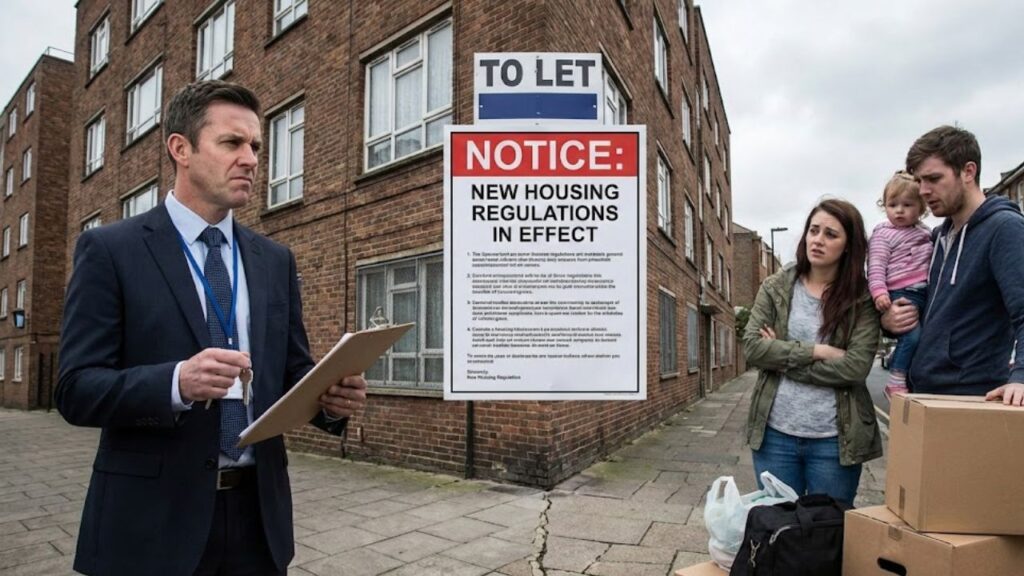
Private rentals used to be the answer to a rigid housing market, offering shorter contracts, fewer commitments, and quick moves. But now, in many cities, that promise has soured into a tense stand-off. Landlords are feeling pressured by new rules and rising costs, while tenants are facing bidding wars and no-fault evictions.
Walk down any street lined with terraced houses, and you’ll hear the same conversations: “Our landlord’s selling.” “They’re hiking the rent again.” “We have two months to get out.” What was once a straightforward business arrangement has turned into a raw emotional battleground. The phrase “goodbye private rentals” now feels like more than just a headline – it’s a warning.

Take Leeds, Bristol, Manchester – pick any hotspot. In one neighborhood, three out of seven rental houses on a single street have been put up for sale in the last year. The reasons are simple on paper: tax changes, new energy-efficiency standards, stricter safety regulations, and talks of banning no-fault evictions. Mark, 53, a landlord, says he was known as “the decent guy” who kept rents affordable. But when his mortgage jumped by £600 a month and his letting agent called with more compliance updates, he saw his pension plans vanish in a spreadsheet. So, he served notice. The family renting his property had just painted the nursery and bought new school uniforms. They didn’t see it coming.

The Realities Behind the Market Shakeup
Zoom out, and the logic becomes clear. Governments across Europe and beyond are tightening rules to protect renters – longer notice periods, stricter eviction processes, deposit regulations, and energy efficiency rules. On paper, these changes are about fairness and safety. But for small “accidental landlords” who own just one or two properties, they can feel like death by a thousand cuts.
Many of these landlords never saw themselves as business owners, just people who kept a flat when they moved in with a partner, or inherited a house. But the law changes now turn their side hustle into something that feels like running a regulated company. Some landlords adapt and professionalize, but many quietly list their properties and cash out. As they leave, the rental pool shrinks, and the competition for what’s left becomes brutal.
How Tenants and Landlords Can Navigate the Changing Rules
If you’re a tenant, the first step is simple but powerful: track your timeline. Know your contract end date, your notice period, and any break clauses. Set calendar reminders months in advance. This habit buys you time in a market where time is crucial. Keep a digital or physical folder with your tenancy agreement, inspection reports, repair requests, and rent receipts.
When new rules are announced, confusion often follows. So, read the full summaries on trusted housing websites, not just the headlines or landlord rants on Facebook. Knowing your rights and your landlord’s responsibilities can turn panic into preparation. It could be the difference between feeling hunted and feeling in control.
If you’re a landlord, treat your rental like a real business or exit gracefully. Half-hearted efforts lead to trouble. Seek professional advice from tax specialists, letting agents, or landlord associations. Map your costs honestly – mortgage, maintenance, compliance – and assess whether your current rent and future rule changes make sense. Then, have a conversation with your tenant. Talk like adults. Explain what might change and when. They may help find a new tenant, accept a longer lease, or agree to a modest rent increase if they know you’re not trying to squeeze them dry. One honest conversation can be far more effective than any policy PDF.
Clear and respectful communication is essential. Ghosting each other only deepens mistrust. One tenant in Birmingham shared how a simple, respectful email from her landlord turned what could have been a crisis into a shared project. Together, they agreed on a reasonable rent increase, scheduled energy upgrades, and set a clear review date.

“I was ready to move out on principle,” she said. “But when he actually showed me the numbers and asked what I could cope with, it felt like we were solving a problem together, not fighting over a house.”
Practical Steps to Manage the Uncertainty
That kind of honesty won’t fix the broken market, but it can ease the pain. On a practical level, it helps to have a small emergency “moving fund,” even if it’s just the cost of a van and a fresh deposit built up over months. And if you’re a landlord, recognizing that your tenant is a human being, not just a profit margin, can reduce your risk of empty periods and disputes.
- Keep documents and key dates visible, not buried in emails.
- Use plain language in messages, avoiding legalese or late-night rants.
- Ask for help early – housing charities, mediators, and professional advisers are there for a reason.
A Fragile System That Affects Us All
What’s happening in private rentals is more than just a policy debate. It’s a quiet reshaping of where and how people live. Every time a landlord sells up, a renter loses not just four walls, but the fragile web around them: the school run they’ve mastered, the bus driver who greets them every morning, the neighbor who takes in parcels.
We’ve all had that moment where you stand in an emptying room, cardboard box in hand, and realize your life doesn’t quite fit into it. Multiply that by thousands of move-out dates, and you begin to see how “goodbye private rentals” becomes a collective experience, not just a headline. The risk is simple: a market that once offered flexibility is now turning into a lottery, where the prize is basic stability.
Another shift is happening too. As small landlords leave, large institutional investors are moving in – build-to-rent blocks, corporate ownership, and algorithmic pricing. While some of this brings professionalism and standards, it also brings a colder, more distant kind of power. The old myth of the cozy landlord-tenant relationship doesn’t survive contact with automated rent reviews and centralized call centers.
The Future of Renting: Protecting Tenants Without Scaring Landlords
Yet, policy doesn’t dictate destiny. Cities experimenting with longer-term tenancies, fairer eviction rules, and better dispute resolutions show that it’s possible to protect tenants without frightening small landlords out of the market. This balance is messy and political, but it’s where the future of renting will be decided.
For now, the best thing we can do is stay alert to what’s changing. Talk to the people in the flat upstairs, the couple who own the house down the road, the student whose landlord just raised the rent. Share stories, not just complaints. The line between “landlord” and “tenant” is thinner than it appears. Many landlords today were renters yesterday, and many renters will become landlords tomorrow.
The housing rules are real, and they’re having an impact. Some are overdue protections, while others may go too far. All of them play out in kitchens, hallways, and WhatsApp chats, not just in Parliament. That’s where trust is either rebuilt piece by piece or lost entirely. If private rentals are truly fading, what replaces them will say a lot about the kind of society we want — and who gets to feel at home in it.

Key Insights
- Landlords exiting the market: Tax changes, tighter rules, and higher mortgage costs push small landlords to sell, leading to fewer rental options for tenants.
- New tenant protections: Longer notice periods, stricter eviction processes, and improved standards aim to rebalance power in favor of renters.
- Proactive communication: Early and honest conversations between tenants and landlords can transform potential conflicts into cooperative problem-solving.
