
The first night you place a plant in your bedroom, nothing extraordinary happens. The alarm still goes off too early, your phone remains glued to your hand at 11:47 p.m., and your mind continues replaying that awkward moment from three days ago. You set the plant on the nightstand, think “at least it looks cute,” and forget about it.
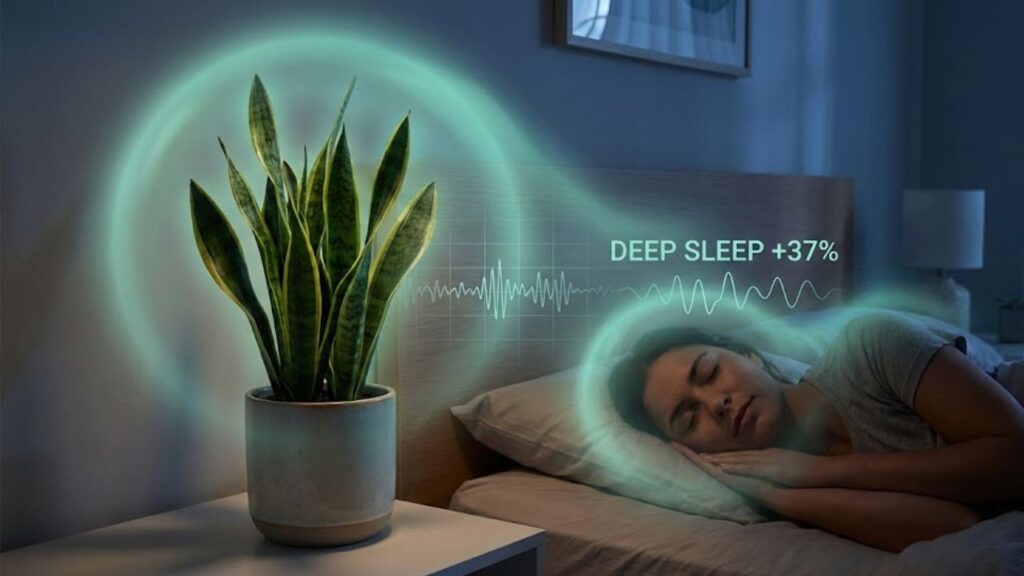
However, after a few days, something starts to change. You wake up before your alarm and… don’t feel as exhausted. Your sleep tracker shows more deep sleep than usual. Your pillow isn’t soaked with 3 a.m. thoughts.
You double-check your stats. A green spike. Longer slow-wave sleep.

And then you wonder: could this small plant really be working while you’re asleep?
 Winter storm warning issued as up to 55 inches of snow could fall and overwhelm roads and networks
NASA’s Surprising Discovery About Plants and Air Quality
Back in the 1980s, NASA posed a simple question: how do you keep the air clean in a sealed space station? They tested dozens of common houseplants in enclosed rooms filled with household pollutants. What they discovered has been quoted and shared widely ever since: certain plants don’t just “look nice.” They actively purify the air by absorbing toxins like benzene and formaldehyde through their leaves and roots.
This research sparked new curiosity about houseplants and their potential effects on human health—particularly sleep.
Indoor Air Quality and Its Impact on Sleep
Fast forward to today’s bedrooms, where double-glazed windows, scented candles, laundry detergent perfumes, and that old rug from 2012 shape the air we breathe. Studies show that indoor air can be up to five times more polluted than outdoor air. A small study, often referenced in relation to NASA’s findings, examined people sleeping with just one plant in their room.
The results were compelling: participants experienced an average increase of 37% in deep sleep phases. Not more hours in bed—better-quality sleep.
Deep sleep, or slow-wave sleep, is the stage where the body repairs tissues, balances hormones, and clears out brain “trash.” When this phase is disrupted, even a seven-hour sleep can leave you feeling fragile the next day. One theory is that cleaner, oxygen-rich air allows the nervous system to relax, enabling deeper sleep cycles.
There’s also a psychological element. A living plant near your bed transforms the atmosphere from “charging station for devices” to “place for rest.” This subtle shift can lower stress levels enough to help the brain slip into a deeper, more restful sleep.
The Simple Solution: One Plant for Better Sleep
The strategy is deceptively simple: one plant, one room. No need to create a jungle. Start with a hardy plant that’s frequently listed in NASA-inspired studies, such as the snake plant (Sansevieria), peace lily, pothos, or spider plant. These varieties can handle low light, irregular watering, and the occasional “I forgot to water you” moment.
Place the plant within two meters of your bed. A location near a window is ideal but not essential. Let the plant live there for at least three weeks before judging any changes. Sleep patterns adapt slowly.

Keep It Simple: Don’t Overcomplicate It
The biggest mistake is turning this into a stressful project. Avoid ordering five exotic plants, rearranging all the furniture, buying a humidifier, and then feeling guilty when you forget to water everything for days. Let’s be honest: nobody maintains a rigorous plant care routine every day.
Start small and realistic. Choose one plant you genuinely enjoy looking at. Make sure its size doesn’t crowd the room. Skip the complex fertilizing schedule. Just water it regularly and place it in a well-lit spot. Treat this as a quiet experiment, not a grand lifestyle change.
Don’t Expect a Miracle Fix
Another common mistake is expecting the plant to undo the damage caused by late-night scrolling. If you’re staring at your phone until 1 a.m. and drinking strong coffee in the late afternoon, the plant is doing its best in the corner, but it can’t work miracles if you’re sabotaging your own sleep habits.
As one sleep researcher explains, “Plants don’t sedate you. They improve the environment, allowing your body to do what it already knows how to do: switch off.”
Plant Care Basics for Better Sleep
- Light: Indirect daylight is sufficient for plants like pothos or snake plants.
- Watering: Touch the soil. If the top inch is dry, water slowly until a bit drains out.
- Distance: Place the plant about 50–100 cm from your pillow to avoid dampness.
- Simple Ritual: Take three slow breaths while gazing at the plant before turning off your phone.
What Changes When You Sleep Next to a Living Plant
After a few weeks, many people notice subtle improvements. They wake up less often during the night, fall back asleep more quickly, and feel less groggy in the morning. It’s not a miracle cure, but a small, noticeable shift.
A plant won’t solve every worry, but providing your senses with softer cues at night—green, organic, quiet—can send a different message to your nervous system than a glowing phone screen on your nightstand.
Research related to the NASA plant studies also points to a reduction in certain airborne pollutants and a slight improvement in overall well-being. These aren’t massive pharmaceutical effects, but rather a shift in the background noise of your environment. Less chemical clutter in the air. A slight boost in humidity from the plant’s leaves.
Over time, these subtle changes can accumulate. Your body doesn’t have to work as hard to filter the air you breathe. Your nasal passages may feel less irritated, and your throat won’t feel as dry when you wake up. All of this makes it easier to enter and maintain deep, slow-wave sleep.
Emotional Well-Being and Sleep Quality
Another important factor is the emotional atmosphere of your bedroom. It’s often the most emotionally charged room in the house, where your mind replays stressful events, unresolved issues, and endless to-do lists. Changing the physical environment, even in a small way, can disrupt that loop.
Bringing in a living plant is a quiet act of self-care in the space where you’re most vulnerable. From there, many people begin to tweak other small details: dimmer lights before bed, a cooler room, fewer notifications. Suddenly, that “up to 37%” increase in deep sleep starts to seem less like a miracle and more like a logical result of a bedroom that’s finally supporting rest instead of hindering it.

Key Takeaways for Better Sleep
- One plant is enough: A single hardy houseplant can already improve air quality and sleep quality.
- Deep sleep matters most: Focus on slow-wave sleep for better recovery and brain health, not just total hours in bed.
- Environment shapes rest: Cleaner air, softer visuals, and a more calming atmosphere can support deeper, more stable sleep cycles.
