Across France, many homeowners notice that their taxe foncière bills can vary greatly from one neighbor to another. What seems like a mistake often results from a mix of complex rules, outdated data, and technical assessments that most property owners never see.
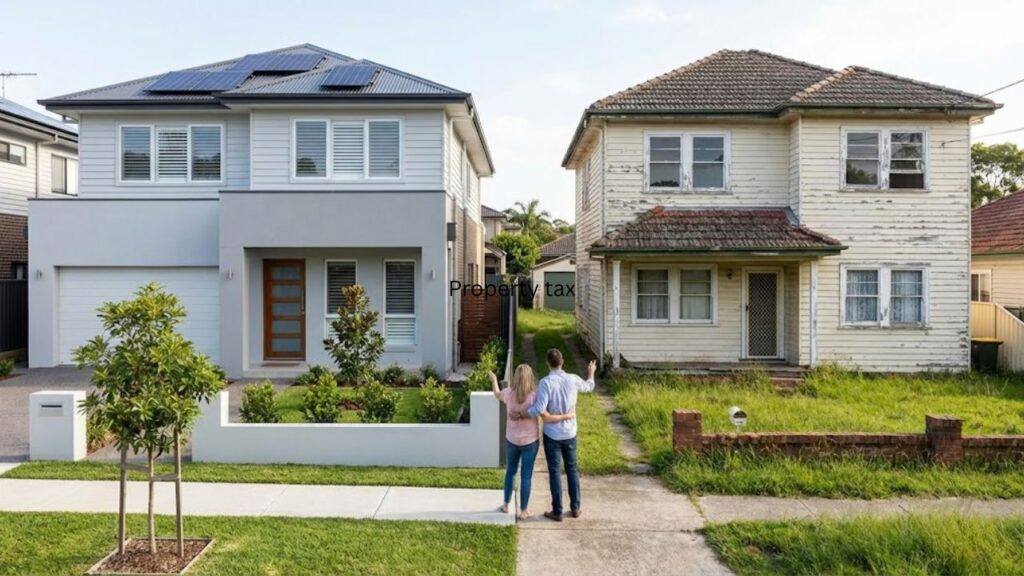
Twin Homes, Very Different Taxes
At first glance, it may seem unfair. Two semi-detached homes, similar in size and age, yet one owner pays several hundred euros more. While suspicions of errors or favoritism arise, the reality is simpler: the French property tax system relies on a detailed record of each home, historical rental values, and local council-approved tax rates. Minor differences in any of these can create significant gaps in the final bill.
How the Tax Office Evaluates Your Property
The Importance of H1 and H2 Declarations
The process starts with the official property description through H1 or H2 declaration forms submitted after construction or major renovations. These forms record:
 The return of the aircraft carrier Truman, a signal badly received by the US Navy facing future wars
- Habitable floor space, including rooms, levels, and usable surfaces
- Annexes like garages, basements, attics, and sheds
- Comfort features such as bathrooms, central heating, verandas, or balconies
Two visually similar homes may be treated differently if their declarations differ, or if one property’s records are updated while the other’s are not. Unreported changes—like an enclosed veranda or a converted garage—can lead the tax office to use an automatic assessment, usually based on estimates, which often results in a higher tax bill.

Property Category and Condition
Beyond floor area, each property is assigned a category reflecting:
- Construction quality and standards
- Level of comfort and modernization
- Location and environment, including noise, views, and proximity to services
Additional coefficients adjust for maintenance, exposure, and specific features such as a prime view or local nuisances. Even small distinctions in condition or comfort between neighbors can create differences in the taxable value, particularly when past renovations were declared for one home but not the other.
The Role of Historical Square-Metre Tariffs
The cadastral rental value per square metre, dating from the 1970s, is used to calculate taxes. Intended to represent theoretical annual rent, these tariffs often no longer match the current market. Differences between two identical houses can arise simply due to these legacy valuations, influenced by dwelling category and municipal sector.
Local Tax Rates Multiply Differences
Once the cadastral rental value is established, local tax rates apply. These are set by:
- The commune (town or city)
- Intercommunal bodies
- Special local syndicates for services or infrastructure
Each body sets its percentage, which applies to the taxable base. While residents cannot contest the rates themselves, they can verify that the property description and rental value are accurate. Discrepancies often begin here, even when neighboring homes share the same rates.

Legacy Data and Forgotten Declarations
Many elements stem from decades-old records. A classification made in the 1980s or unreported renovations by former owners can continue to affect current bills. Common sources of discrepancy include:
- Surface area: one garage converted and declared, the other not
- Comfort level: additional bathrooms or verandas declared only for one property
- Category: one house rated superior due to earlier renovations
- Coefficients: different assessments of condition or environment
- Tariff per m²: historical grids assigning slightly different values
These differences are rarely deliberate, but the result of a property’s long administrative history.
How Homeowners Can Verify and Challenge
Owners who suspect their taxe foncière is disproportionate should start by requesting a cadastral valuation sheet from the tax office. Key points to review include:
- Total habitable area recorded
- List of annexes
- Comfort features like heating and bathrooms
- Property category and applied coefficients
- Cadastral rental value per square metre
If errors or outdated information are found, a complaint can be filed, often supported with building permits, floor plans, or photos.
Key Terms Affecting Your Tax
- Cadastral rental value: The notional rent used for tax purposes, based on historical tariffs and property category.
- Automatic taxation: When unreported changes are estimated by the tax office, usually resulting in higher taxes.
Practical Examples
Two 100 m² homes built in 1980 illustrate how taxes can differ:
- House A declared a veranda and renovated kitchen and bathrooms, with all paperwork filed. Its tax rises with increased category and cadastral rental value.
- House B added a veranda but never declared it, keeping older records and paying less, despite similar actual features.
Why Understanding the Rules Matters
Examining the underlying data—surface, category, coefficients, and historical tariffs—can reveal mismatches and opportunities. While some discrepancies may favor the owner, others may justify filing a challenge to ensure fair taxation relative to neighboring properties.