For years, households were told that keeping indoor temperatures at 19°C was both a moral and energy-saving standard. This benchmark, promoted across Europe during energy crises, was meant to help reduce consumption. But as winter 2025 approaches, experts are starting to question whether this rule fits real-life comfort, health needs, and energy realities.
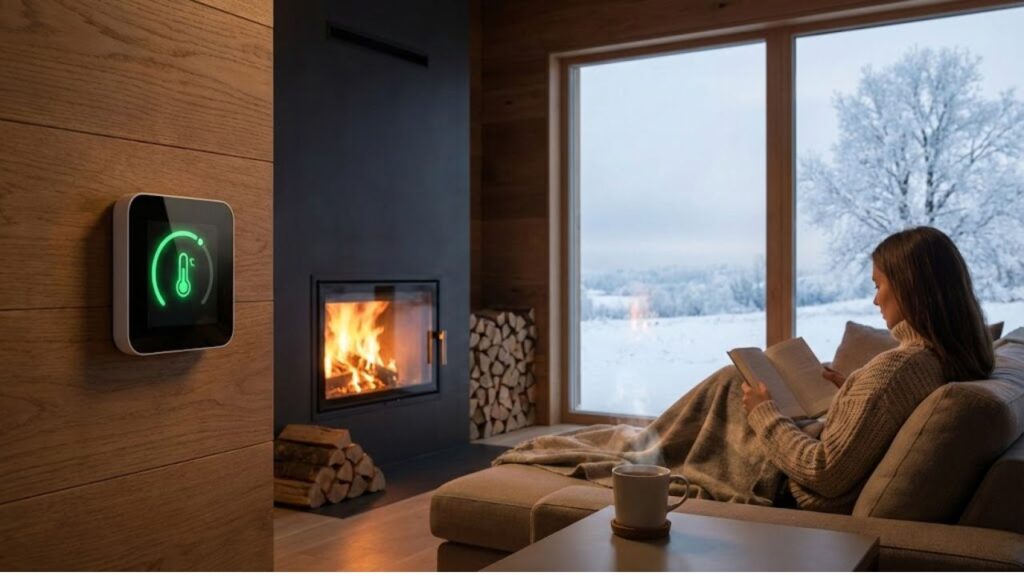
When 19°C Doesn’t Work for Everyone
Countries like France and the UK pushed the 19°C target as a universal guideline during past energy crunches. Campaigns encouraged people to wear extra layers instead of increasing the heating. Yet many, especially elderly people, young children, or those with chronic conditions, found this temperature uncomfortable—especially when staying still for long periods at home.
Now, experts are suggesting that this standard may be too rigid. Medical evidence points to health risks—including respiratory issues and joint pain—caused by prolonged exposure to cold indoor air. With the immediate 2022–2023 energy crisis easing, the focus is shifting from using less to using heat more wisely.

The New Recommended Temperature Range
According to health and building experts interviewed by Pleine Vie and RMC, the new approach is more flexible. Rather than sticking to one number, they recommend adjusting temperatures based on room use and time of day. The suggested range for most homes is now 20–21°C in main areas, cooler in bedrooms, and warmer in bathrooms when in use.
 This old metal accessory from the wardrobe that bird-lovers now keep protects birds in winter
Room-by-Room Temperature Suggestions
- Living and dining areas: 20–21°C during active hours
- Bedrooms: Around 18°C for sleeping comfort
- Bathroom: Up to 22°C during use
- Unused rooms or hallways: About 16°C
This approach aims for consistent, gentle warmth across your home, avoiding sudden temperature jumps.
Why Experts Are Supporting Slightly Warmer Homes
The shift from 19°C to 20–21°C is based on more than comfort. It’s backed by medical research and real-world feedback. Underheated homes often lead to risky behavior—like blocking vents, using unsafe portable heaters, or keeping doors shut to retain heat—all of which can cause problems like condensation, mould, or fire hazards.
A modest increase in base temperature allows for safer, healthier heating habits, including regular ventilation and more even humidity.
Heating Smart Without Raising Costs
Turning up the thermostat by 1°C can increase energy usage by 7–10%. But experts say this cost can be offset with better heating control and basic improvements—allowing households to stay warm without inflating bills.
Smart Heating Tips That Make a Difference
- Program your heating: Use schedules for day, night, and weekends instead of a constant setting.
- Use curtains and shutters: Close them at night to reduce heat loss.
- Ventilate wisely: Air rooms for 5–10 minutes with windows wide open, then close them to retain warmth.
- Service heating systems: Regular maintenance boosts efficiency and lowers energy use.
- Stop draughts: Use thermal curtains or door excluders to block cold air.
The goal is to retain warmth where and when it’s needed—not to heat all areas all day long.
Example Daily Heating Pattern
Here’s how a typical winter day might look for a family using programmable radiators in a medium-sized home:

- Morning: 20–21°C in living areas, 18°C in bedrooms
- Daytime (while out): Drop to 16–17°C
- Evening: 20–21°C in occupied spaces
- Night: Bedrooms at 17–18°C, other rooms lower
This routine ensures warmth when needed while saving energy during sleep or absence.
| Time of day | Suggested setting |
|---|---|
| 06:30–08:00 | Living areas at 20–21°C, bedrooms at 18°C |
| 08:00–17:30 | Living areas reduced to 17–18°C if no one is home |
| 17:30–22:30 | Living areas back to 20–21°C, bathroom at 22°C when used |
| Night | Bedrooms at 18°C, other rooms at 16–17°C |
The Health Impact of Temperature Fluctuations
Doctors warn that sudden temperature shifts can harm health. Moving between cold and warm rooms—or from cold outdoor air to a hot indoor space—can cause headaches, worsen circulation problems, and intensify flu symptoms.
A small, stable temperature difference is easier on the body. For instance, a hallway at 14°C and a bathroom at 22°C can trigger a physical shock post-shower. Experts recommend smoother transitions across spaces to reduce this risk.
Key Energy Concepts for Your Heating Bill
Understanding these terms helps you make informed decisions about energy use and heating efficiency:
- kWh (kilowatt-hour): Unit that measures energy consumption—used in gas and electricity billing.
- Insulation: Determines how well your home retains heat. Poor insulation increases energy waste.
- Thermal inertia: Describes how slowly a building gains or loses heat. Heavy materials like stone keep warmth longer.
If your bills are high, poor insulation or thermal loss may be the culprit—not just thermostat settings.
Looking Ahead to Winter 2025 and Beyond
As winters become more unpredictable, the rigid “always 19°C” rule may no longer apply. The trend now favors room-by-room flexibility based on individual needs, health, and building types.
Those with modern insulation or heat pumps will manage energy differently from those in older rentals. But the core principle is the same: use heat thoughtfully, keep temperatures consistent, and maintain your systems.
Winter 2025 might just be the year when more people stop feeling guilty about heating their home to 20°C—and start asking a smarter question: Is my home warm enough to stay healthy and efficient?