Many people in their 40s, 50s and beyond sense that alcohol “hits different” than it used to. Nights feel shorter, hangovers linger longer, and one drink can sometimes feel like two. Far from being a vague feeling, researchers say this shift is the predictable result of how the body ages.
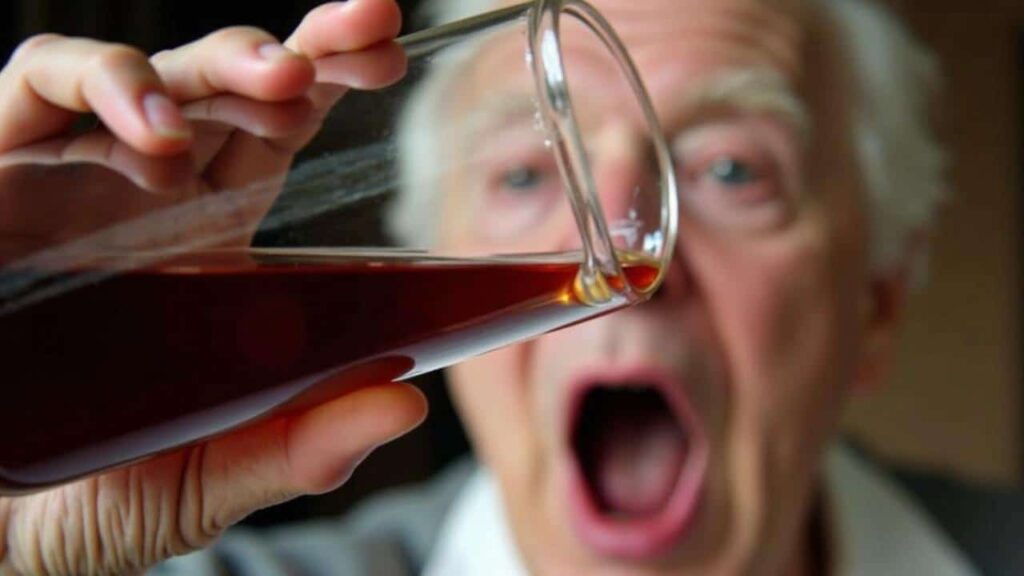
What really changes in your body as you drink with age
Ageing reshapes the way alcohol moves through the body and how quickly it leaves.
The liver is at the centre of this story. This organ relies on specific enzymes to break down ethanol so it can be eliminated. With age, these enzymes tend to work more slowly and less efficiently. That means alcohol stays in the bloodstream for a longer period, and its effects feel stronger.

As enzyme activity slows and clearance drops, the same drink can push blood alcohol levels higher than it did years earlier.

Body composition shifts add another layer. People typically lose muscle and gain fat over time. Muscle tissue holds more water than fat, and alcohol is distributed mainly in body water. With less muscle and less water available, each unit of alcohol becomes more concentrated in the blood.
The result: a pint or a cocktail that once barely registered can now bring on a quicker buzz, more flushing, and a heavier next-day slump. This is not just about getting “out of practice” with drinking; it reflects measurable changes in how alcohol is processed.
Why that “lightweight” feeling is normal, not a failure
Many midlife drinkers quietly worry that they “can’t handle it” anymore. In truth, their bodies are behaving exactly as biology predicts.
Researchers examining metabolic ageing describe a gradual loss of flexibility in how organs respond to stressors, including alcohol. The liver takes longer to neutralise what used to be handled with ease. Blood vessels stiffen, blood pressure shifts more quickly, and the brain becomes more sensitive to chemical disruption.
Drinking as if you were 25 essentially asks a 55-year-old body to run a race it has not trained for in decades.
This can translate into stronger feelings of intoxication, more pronounced dehydration, and a hangover that stretches well into the afternoon instead of fading by mid-morning. The change is subtle year by year, but obvious when you compare decades.
The same drink, stronger impact: how tolerance really drops
Several studies show a clear pattern: older adults reach higher blood alcohol concentrations than younger adults after consuming identical amounts, even when they weigh roughly the same. That higher concentration means more intense and longer-lasting effects.
This pattern appears in both men and women, but women tend to feel the shift more sharply. They usually have less body water, different fat distribution, and face hormonal changes around perimenopause and menopause. Alcohol can worsen hot flushes, upset sleep, and amplify mood swings or anxiety.
- In your 20s–30s: faster liver metabolism and higher muscle mass blunt alcohol’s impact.
- In your 40s–50s: enzyme activity slows, muscle mass dips, and tolerance quietly drops.
- 60 and beyond: medications, chronic conditions and balance issues make each drink riskier.
Sleep, in particular, often suffers. Even modest evening drinking fragments deep sleep and increases night-time awakenings. With age, sleep becomes more fragile anyway, so that late-night glass of wine can push you from “rested” to “wired and exhausted” much more easily.
When a normal habit starts carrying heavier risks
The impact of alcohol in later life is not limited to feeling tipsy more quickly. Doctors warn that age turns some once-manageable risks into more serious threats.
Higher sensitivity means alcohol can tip the balance from “a bit unsteady” to a dangerous fall, from “slightly forgetful” to worrying memory gaps.

Even moderate drinking can interact with conditions that become more common with age, such as high blood pressure, type 2 diabetes or heart disease. Repeated exposure increases the chances of certain cancers, including breast and colorectal cancer. And because alcohol raises blood pressure in many people, it adds extra strain to an already ageing cardiovascular system.
Medication use also tends to rise with age. Many commonly prescribed drugs – for blood pressure, cholesterol, pain, sleep or mood – can interact with alcohol. This combination may intensify drowsiness, confusion, dizziness or bleeding risk, depending on the medicine.
Examples of how one drink can change after 50
| Scenario | In your 30s | In your 50s–60s |
|---|---|---|
| After-dinner wine | Mild relaxation, decent sleep, clear head by morning | Fragmented sleep, early waking at 4–5am, dry mouth and fatigue |
| Two beers at a party | Light buzz, steady gait, quick recovery | Noticeable unsteadiness, more talkative or irritable, sluggish next day |
| Cocktail with medication | Occasional mild interaction | Possible dizziness, confusion or blood pressure changes |
Adjusting drinking habits without giving up social life
For many people, alcohol is tied to celebrations, dinners and friendships. Ageing does not automatically mean abstinence, but it does push for different choices.
Specialists often suggest simple adjustments:
- Alternate each alcoholic drink with water or a soft drink.
- Eat a substantial meal with protein and fibre before or during drinking.
- Plan one or two alcohol-free days each week, then extend them if you feel better.
- Opt for low-alcohol or alcohol-free versions of favourite drinks.
- Avoid “catching up” – skip the idea of making up for a dry week in one heavy evening.
Listening to your body, even when it disagrees with your habits or social plans, usually pays off within days.
Many people notice that cutting back improves their sleep, morning mood and energy within a week or two. Blood pressure can drop, skin may look brighter, and persistent heartburn or stomach upset often eases.
Key terms that help make sense of ageing and alcohol
Two concepts often appear in research on this topic: tolerance and metabolism.
Tolerance describes how much alcohol someone can consume before experiencing certain effects, such as slurred speech or impaired coordination. A young person who drinks regularly may develop a higher tolerance, meaning they feel less affected at the same blood alcohol level. With age, that tolerance usually declines, even if drinking patterns stay the same.
Metabolism refers to how the body breaks down substances. Alcohol metabolism mainly takes place in the liver. As liver function changes with age, it processes alcohol more slowly. That slower pace is one of the reasons older adults often feel the effects of fewer drinks.
Looking at the bigger picture of ageing, health and drink
Alcohol rarely acts alone. Its impact combines with stress, diet, physical activity, sleep and health conditions built up across a lifetime. A desk job and low physical activity can accelerate muscle loss, which then amplifies the intensity of each drink. Poor sleep from alcohol can, in turn, raise cravings for sugar and caffeine the next day, nudging weight and blood pressure up over time.
On the other hand, small changes can compound in a positive direction. Strength training helps preserve muscle mass, which partly stabilises how alcohol is distributed in the body. Staying well hydrated, eating balanced meals and keeping regular sleep hours all soften the blow of occasional drinking.
Age does not outlaw alcohol, but it rewrites the terms of the deal your body is willing to accept.
Some people find it helpful to run a personal experiment: keep your usual routines, cut your alcohol intake in half for a month, and keep notes on sleep, mood and energy. The contrast can be surprisingly clear. That kind of real-world feedback often says more than abstract guidelines and can make decisions around drinking far easier with each passing year.