Among them, olive oil often tops the list: praised by nutritionists, loved by chefs, and sharply more expensive than it used to be. Many households are quietly cutting back, even as they worry about sacrificing the benefits linked to the Mediterranean diet. Yet nutrition experts point to a lesser-known bottle that can tick most of the same boxes without draining your budget.
Why olive oil became the gold standard
Olive oil did not become a kitchen favourite by accident. It gained its reputation through decades of research, particularly around the Mediterranean diet, where rates of heart disease and metabolic illness tend to be lower.
Extra-virgin olive oil is rich in monounsaturated fats, especially oleic acid. These fats are associated with better cardiovascular health and a more stable cholesterol profile. Regular use has been linked to a lower risk of type 2 diabetes and obesity when combined with an overall balanced diet.

Olive oil is valued not just for flavour, but for its contribution to heart, metabolic and digestive health.

Its flavour profile also plays a central role. A good olive oil tastes slightly fruity, with subtle bitterness and a peppery, almost acidic finish. That complexity transforms simple ingredients like tomatoes, pulses or leafy greens, making healthy cooking easier to enjoy.
All of this, though, has a price. Poor harvests, climate pressure on olive groves and rising production costs have driven up prices across Europe and North America. For many families, a high-quality extra-virgin bottle now sits squarely in the “treat” category, not the weekly shop.
The rising alternative: why avocado oil is stepping in
Nutritionally speaking, avocado oil stands surprisingly close to olive oil. Both are dominated by monounsaturated fats and both contain antioxidant compounds that support the cardiovascular system.
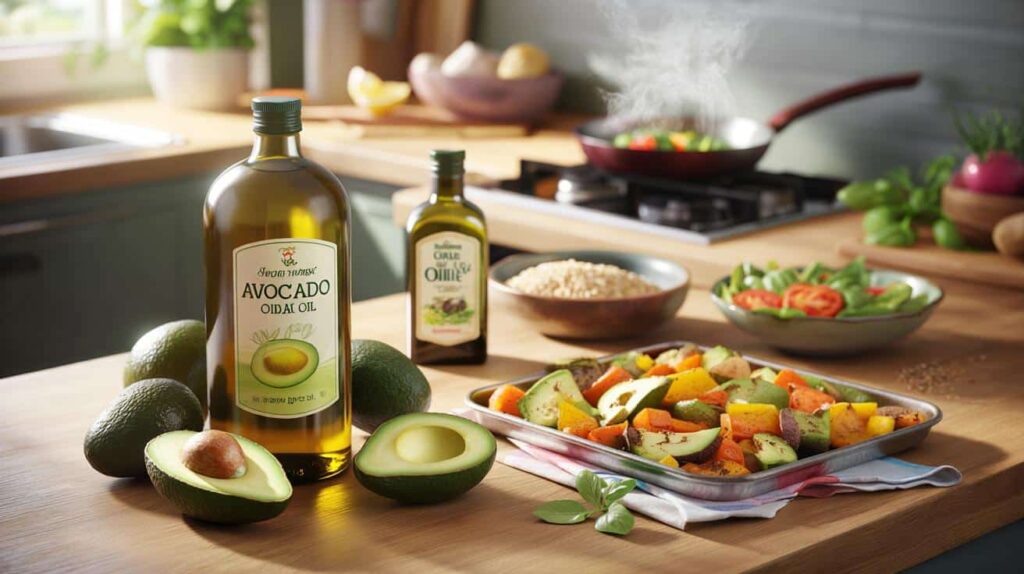
Avocado oil offers many of the same heart-friendly fats as olive oil, often at a lower price per litre.
Where the two oils differ most obviously is on shelves. In many markets, avocado oil now undercuts premium olive oils, especially when bought in larger bottles or from supermarket brands rather than specialist producers. That gap can be significant for households already juggling energy, rent and food costs.
Nutrition: how the two oils compare
| Feature | Olive oil (extra-virgin) | Avocado oil |
|---|---|---|
| Main fat type | Monounsaturated (oleic acid) | Monounsaturated (oleic acid) |
| Smoke point (approx.) | 160–190°C (320–375°F) | Up to ~200–250°C (392–482°F), depending on refining |
| Use in cooking | Dressings, low to medium-heat cooking | Dressings, medium to high-heat cooking |
| Flavour | Fruity, peppery, slightly bitter | Soft, buttery, mild |
| Typical price trend | Higher, volatile due to harvests | Often lower, with wide range by brand |
Avocado oil brings another advantage: heat resistance. Thanks to its higher smoke point, it tolerates searing, roasting and pan-frying more comfortably than most extra-virgin olive oils. That means fewer burnt flavours and fewer potentially harmful breakdown products when you cook at high temperatures.
How to switch from olive oil to avocado oil in your kitchen
For many dishes, the swap is almost seamless. Avocado oil has a neutral-to-buttery taste that rarely clashes with other ingredients. It slips easily into everyday recipes without shouting for attention.
- Salads and dressings: Use avocado oil 1:1 in place of olive oil, then add a little extra acidity (lemon juice or vinegar) if you miss the sharpness.
- Roasting vegetables: Coat potatoes, carrots or cauliflower in avocado oil before roasting. The high smoke point keeps edges crisp without a burnt aftertaste.
- Stir-fries and sautés: Its heat stability makes it suitable for quick, high-heat cooking, where olive oil might start to smoke.
- Baking: In savoury bakes, breads or muffins, avocado oil can stand in for olive or neutral oils with minimal flavour change.
For families cooking most meals at home, choosing a cheaper, heat-stable oil can shave pounds off the monthly food budget.
The texture of avocado oil is slightly denser and silkier than many olive oils. That can give sauces a smoother body and lend dressings a rich mouthfeel, even when you keep portions modest.
Health angles: cholesterol, blood sugar and heart risk
Both oils share a similar fat profile dominated by monounsaturated fatty acids. These fats tend to raise HDL (“good”) cholesterol while reducing LDL (“bad”) cholesterol when they replace saturated fats such as butter or lard.
Avocado oil also contains vitamin E and carotenoids, antioxidant compounds that help protect cells from oxidative stress. Several small studies suggest it may support healthy blood lipid levels and contribute to better control of inflammation markers, particularly when paired with a diet rich in vegetables and whole grains.

For people managing blood sugar or weight, swapping from highly processed fats to avocado oil or olive oil can support a more stable metabolic pattern. The oils themselves are still calorie-dense, so portion size remains crucial, but their overall effect tends to be more favourable than many cheap seed oils used in ultra-processed foods.
Beyond the frying pan: cosmetic uses of avocado oil
The alternative does not stop in the kitchen. Avocado oil is increasingly used in home skincare routines. Its fatty acid profile makes it naturally emollient, which means it softens and helps reduce moisture loss from the skin.
A simple example is a DIY face mask. Mashed ripe avocado mixed with a teaspoon of avocado oil can create a thick paste for dry or tired skin. Applied for 10 to 15 minutes and rinsed with lukewarm water, it leaves the skin feeling more supple.
For dry skin or curly hair, a small amount of avocado oil can replace several pricier cosmetic products.
Hair benefits often get overlooked. Used sparingly on damp hair lengths, avocado oil acts as a leave-in treatment, adding shine and reducing frizz. Its content of vitamins such as B and E supports the hair shaft, especially in people dealing with frequent heat styling or colouring.
What “healthier” really means when choosing oils
The phrase “healthier oil” can be misleading if taken in isolation. No oil, even a high-quality one, turns a poor diet into a balanced one. The gains appear when you combine a smart oil choice with plenty of vegetables, fibre, and realistic portion sizes.
When experts favour avocado or olive oils, they usually mean two things: a better fat profile compared with saturated fats, and a lower degree of processing than many cheap refined seed oils. Both factors contribute to lower long-term cardiovascular risk when part of an overall sensible lifestyle.
A practical scenario for a budget-conscious household
Consider a family who cooks most meals at home and uses two to three bottles of oil each month. If a good extra-virgin olive oil costs twice as much as basic avocado oil, swapping even half their usage can free up money for fresh produce or whole grains, which often have a bigger impact on health outcomes.
One simple strategy involves keeping a small bottle of high-quality extra-virgin olive oil solely for cold uses—drizzling over cooked vegetables or finishing soups—and relying on avocado oil for the bulk of frying, roasting and everyday cooking. This approach keeps the flavour benefits of olive oil where they are most noticeable, while cutting costs and making high-heat cooking safer.
Risks, labels and what to watch out for
Not all avocado oils are equal. Investigations in recent years have found that some bottles on shelves were oxidised or mixed with cheaper oils. Reading labels and choosing reputable brands matters, especially if the price seems unusually low.
People with sensitivities to avocado should also avoid the oil, even though many tolerate it better than the whole fruit. As with any fat, large quantities can contribute to weight gain, so using a teaspoon where a tablespoon was once routine can make a meaningful difference over months.
Combining a modest amount of high-quality plant oil with plenty of fibre-rich foods is still one of the most realistic paths to better long-term health.
For households squeezed by rising costs, olive oil no longer needs to be the sole symbol of healthy cooking. Avocado oil offers a practical compromise: similar health advantages, adaptable flavour, strong performance at high temperatures and a friendlier impact on the weekly shop.