You rarely realise your eyebrows are thinning in a single, dramatic moment. It happens quietly under the bathroom light as you lean closer with a cotton pad. A few hairs near the tail look shorter, and the once-defined arch appears uneven. Whether it comes from natural ageing, years of overplucking, stress, or dry indoor air, the change subtly alters how your face looks. Soon, you begin noticing every eyelash left behind in the sink after removing mascara, becoming more aware of what feels like a small but meaningful shift.
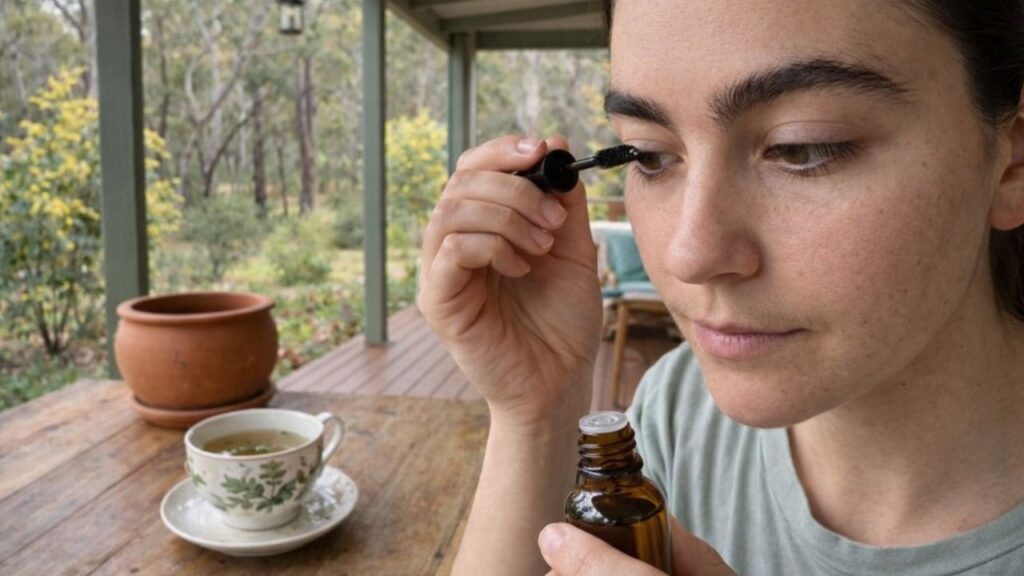
The Gentle Strength of Simple Household Oils
Before turning to costly serums or complicated formulas, it helps to look at what already exists at home. Many UK kitchens and bathrooms hold quiet essentials like olive oil, coconut oil, or a small bottle of castor oil. These oils lack luxury branding, but they offer something dependable: steady nourishment and consistency. Brows and lashes are fine hairs, and this kind of patient, gentle care can support their condition over time without overwhelming the delicate eye area.
Why Brows and Lashes Feel So Personal
Eyebrows and eyelashes often carry emotional significance. Many women associate changes in hair growth with past beauty trends, hormonal shifts, or stressful periods. When brows thin or lashes weaken, the face can look tired or unfamiliar, affecting self-perception. Choosing a natural routine often feels more aligned with a mindful lifestyle. Oils don’t promise instant results, but regular use supports the body’s natural processes, encouraging gradual improvement rather than quick fixes.
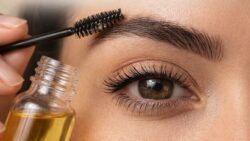
Everyday Oils That Help Support Hair Condition
Different oils offer different benefits for brows and lashes. Castor oil is popular for its thick texture that clings to fine hairs and helps reduce breakage. Coconut oil suits dryness caused by frequent mascara use, while olive oil gently conditions brow hair. Lighter options like sweet almond oil or argan oil absorb easily and suit sensitive skin. These oils don’t force growth but help strengthen and protect existing hairs.

- Castor oil: Dense texture that helps lock in moisture and minimise breakage.
- Coconut oil: Penetrates the hair shaft, leaving brows and lashes softer.
- Olive oil: Rich in antioxidants that support flexibility and conditioning.
- Sweet almond oil: Gentle and calming for sensitive eye areas.
- Argan oil: Lightweight and nourishing, supporting overall hair resilience.
Building a Relaxing Night-Time Habit
The most effective routines are easy to maintain. Begin with clean, makeup-free eyes and washed hands. Apply a small amount of oil to the brows using a clean spoolie, then lightly coat the upper lashes with care. Blot away excess to avoid irritation. Repeating this process nightly for several weeks turns it into a calming ritual rather than a task, making consistency easier to achieve.
Listening Closely to Your Skin and Eyes
The skin around the eyes is delicate, so awareness matters. Always patch test new oils and start with very small amounts. If irritation appears, switch to a lighter option. Avoid letting oil enter the eyes, and rinse gently if it does. Anyone with existing eye concerns or treatments should seek advice from a pharmacist or GP. Focus on reduced shedding and subtle fullness instead of fast changes.
 Goodbye Hair Dye for Grey Hair: The Conditioner Add-In That Gradually Restores Natural Colour
Daily Habits That Support Healthier Growth
Oils work best alongside supportive daily choices. Being gentle during makeup removal, limiting waterproof mascara, and eating a balanced diet rich in protein, healthy fats, and minerals all play a role. Managing stress and paying attention to hormonal health can also influence hair condition. Oils provide external care, while nutrition and lifestyle create the foundation underneath.
Blending Your Own Simple Oil Mix
Once familiar with individual oils, creating a small personal blend can simplify your routine. Combining castor oil for thickness, almond oil for softness, and argan oil for light nourishment works well. Store the mixture in a clean container, label it with the date, and use it within a few months. This approach keeps ingredients transparent and easy to trust.
Noticing Progress Without Pressure
Tracking changes gently helps maintain balance. Taking a makeup-free photo every few weeks in the same lighting can reveal subtle improvements over time. Fuller lines, fewer gaps, and stronger lashes often appear gradually. Missing a few nights doesn’t undo progress—simply return to the routine. The goal is consistent care, not perfection, and learning to support what you already have.