
The plant stood confidently on the edge of the bathroom shelf, tucked into a small terracotta pot with a handwritten tag that read “anti-mold miracle.” Its owner had discovered it online, praised as a natural way to clean the air and replace harsh chemical sprays. No more bleach fumes, no more coughing while scrubbing tiles—just a calm green presence absorbing everything harmful.
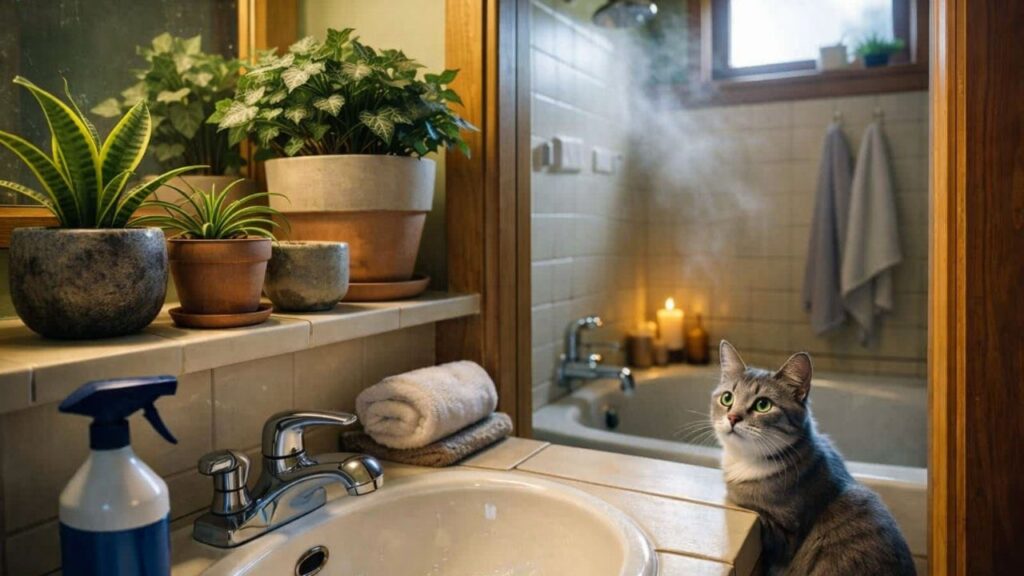
A week later, things felt off. Morning headaches became routine. The cat refused to enter the bathroom. A visiting friend with asthma struggled to breathe after a shower. Still, no one suspected the plant. It looked gentle, harmless, almost comforting.
The rise of so-called anti-mold plants feels soothing and logical. But what if that comfort is hiding a quieter, overlooked risk?
When “Natural” Feels Safe, but Isn’t Always
Step into any modern home décor store and the message is everywhere. Plants labeled “air purifier,” “anti-mold,” “home detox.” The promise is tempting: ditch aggressive cleaners and let nature do the work. A trailing ivy or spider plant seems to offer both style and safety, turning your bathroom into a mini wellness retreat.

We love believing that nature repairs what chemicals damaged. But nature also carries its own allergens, irritants, and toxins—and those rarely come with clear warnings.
The Ivy Illusion
English ivy is one of the most celebrated “air-cleaning” plants. Online, it’s shown draped over shower rails, quietly filtering the room. In reality, its sap can irritate skin, its leaves are toxic if eaten, and its pollen can trigger strong allergic reactions. In a small, humid bathroom with poor ventilation, those risks intensify.
A French allergist described a patient whose sudden breathing crisis had no obvious cause—until the ivy plant was removed. The mold stains didn’t return, and the inhaler stayed close by.
Why the Anti-Mold Claim Is Misunderstood
The confusion is simple. Many people hear “anti-mold” and assume it means the plant kills mold or replaces cleaning products. In reality, most plants only slightly influence humidity or absorb certain compounds under controlled lab conditions. They don’t disinfect walls or eliminate spores.
Worse, some popular plants emit their own volatile organic compounds, or develop mold in constantly damp soil. A plant meant to “clean” the air can quietly add a new, invisible burden instead.
The line between solution and new problem can be thin—and very green.
Using Anti-Mold Plants Without Creating New Problems
There’s a sensible middle ground between bleach-heavy cleaning and trusting plants blindly. The first step is understanding that a plant is a supporting actor, not a shield. True mold prevention still depends on basics: airing the bathroom after showers, drying surfaces, fixing leaks, and checking seals. Plants don’t remove spores from walls.
 Goodbye Hair Dye for Grey Hair: The Conditioner Add-In That Gradually Restores Natural Colour
If you choose to use plants, select low-allergen, non-toxic varieties like certain ferns or spider plants. Keep them away from sleeping areas and avoid placing them at face level in tight, steamy spaces.
They should help the atmosphere—not dominate your strategy.
The Comfort Trap
The real danger is psychological. Once an “anti-mold” plant is in place, it’s easy to relax. Silicone joints stop being checked. Ventilation fans go ignored. When mold slowly reappears, humidity gets the blame—not misplaced trust.
For people with asthma, allergies, pets, or young children, this false sense of safety is even riskier. A child or cat chewing on “natural” leaves can lead to emergency care much faster than a sealed cleaning product stored out of reach.
Experts Are Pushing Back on the Green Myth
Some specialists are now addressing this misconception directly.
“Natural doesn’t mean harmless, and chemical doesn’t always mean dangerous,” explains a German indoor air quality researcher. “Dose, exposure, and context matter. Plants are great decor. Using them as your only mold defense is unrealistic.”
Simple Rules for a Safer Approach
- Choose non-toxic plants safe for humans and pets.
- Use quality potting soil and avoid permanently wet substrates.
- Keep plants out of bedrooms if you have allergies or asthma.
- Ventilate daily, even briefly during colder months.
- Use targeted cleaning products for visible mold instead of ignoring it.
These habits may not look trendy, but they’re far safer than clinging to a comforting myth.
What Kind of “Clean” Are We Really Looking For?
Behind the anti-mold plant debate lies a deeper fatigue. We’re tired of breathing chemicals we don’t understand and reading labels filled with warnings. So we swing toward one reassuring word: “natural.”
But real life sits somewhere between extremes. Some days, a strong product is necessary to stop mold from spreading. Other days, a plant simply makes the room feel better. The smartest approach isn’t worshipping bottles or leaves—it’s rebuilding basic common sense about risk.

Key Takeaways
- Plants are not mold killers: They may help slightly with humidity but cannot disinfect surfaces.
- Natural can still be harmful: Some plants trigger allergies or are toxic to pets and children.
- Balance works best: Ventilation, proper cleaning, and carefully chosen plants create a healthier home.
