
On a harsh January morning, with the sky the dull shade of dishwater, the only movement on many streets comes from wings fluttering around backyard feeders. A pensioner in a thick wool hat scatters bread crusts over frozen grass. A child empties a bag of cheap mixed seed into a plastic tray from Christmas. From kitchen windows, people watch birds drop into the white, silent garden like small sparks of life.
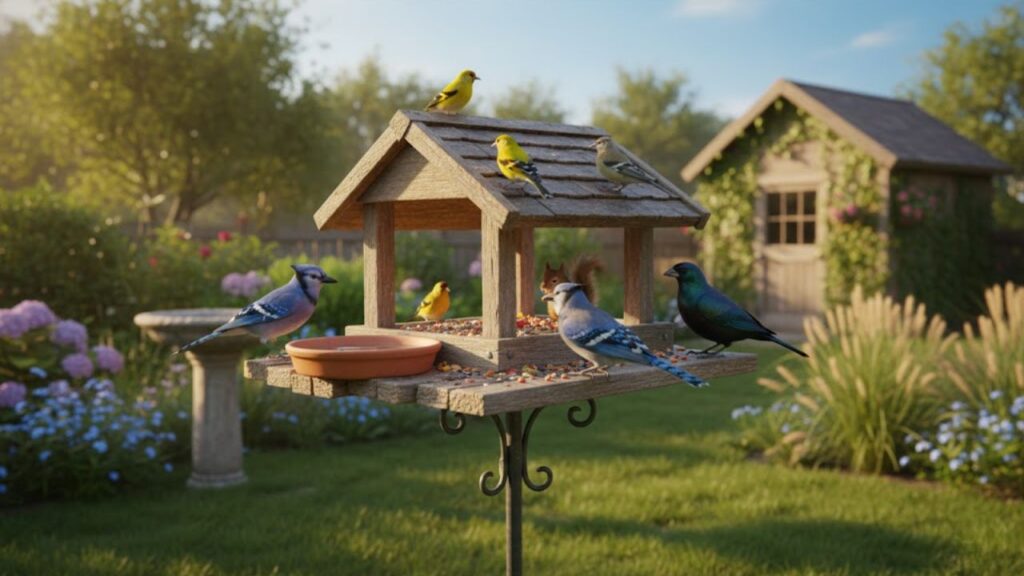
Then a warning appears online: “That cheap bird food you buy? It’s harming them.”
The comments erupt.
Welcome to winter’s quiet fault line: those who trust budget bird feed, and those who believe it’s slowly shortening wild birds’ lives. The reality, as usual, sits somewhere in between.

How Budget Bird Feed Became a Winter Habit
When money feels tight after the holidays and darkness falls before evening, the low-cost bag of bird food near the supermarket checkout feels like a small kindness still within reach. It’s stacked beside discounted snacks, stamped with bright photos of robins and blue tits and a bold “WINTER SPECIAL” label.
You toss it into the trolley with bread and milk, imagining yourself as a modest protector of the garden birds. And it genuinely feels good.
Across neighborhoods, the pattern repeats. A retired couple in Leeds leaves out white bread every morning for starlings. A young family in Ohio fills a tray with bargain seed scooped from a bright orange tub. A teacher in rural France hangs bacon fat and leftover croissants from string.
Photos flood Facebook bird groups: sparrows jostling, pigeons waddling, a timid finch waiting its turn. Likes pile up, along with the same comment: “They’d starve without us.”
Ecologists tend to flinch at that line. They agree feeding can help during harsh winters or in dense cities. But they also warn that many cheap winter feeds resemble junk food more than proper fuel.
These mixes are often bulked out with dried peas, lentils, split corn, baked beans, or dyed pellets that small birds can’t digest. Some include salty fats, flavored suet, or mouldy bread crumbs. What looks generous often ends up wasted, ignored, or feeding rats. The result can be birds that are sick, overweight, or quietly undernourished.
The Overlooked Dangers of “Bargain” Feeding
Late winter tells a different story inside wildlife rehabilitation centers. Robins arrive with fungal infections linked to damp, mouldy feed. Pigeons show swollen joints and poor feathers after months of bread-heavy diets. Finches suffer outbreaks of trichomoniasis, spreading quickly at overcrowded, dirty feeders.
The issue isn’t a lack of care. It’s how that care is expressed.
Fat blocks left outside for weeks, piles of bread never cleared away, cracked feeders that haven’t been cleaned since December.
A UK rehab volunteer describes a familiar January call: “Someone reports a ‘friendly robin’ that won’t fly away. Most of the time, it’s a bird weakened by poor food and infection from a filthy feeder.” She recalls visiting a small garden packed with discount seed and old peanuts. Birds swarmed the area. So did droppings, green slime, and bread crusts turning blue with damp.
The owner believed she was running a sanctuary. The vet records told another story.
The logic is simple. Bread fills a bird’s stomach without providing protein, healthy fats, or micronutrients. Salted or seasoned fats strain tiny organs. Cheap mixes attract large, aggressive species and rodents, pushing away smaller birds that need help most. Crowded feeders mean droppings everywhere, creating ideal conditions for disease.
 Goodbye Hair Dye for Grey Hair: The Conditioner Add-In That Gradually Restores Natural Colour
Wild birds were never designed to queue daily for the same low-grade snack from a plastic tube. That system exists for our convenience, not their health.
Feeding Birds in Winter Without Doing Harm
There is a better approach, and it doesn’t require expensive products or expert training. Think of winter feeding as a supplement, not a replacement for natural foraging.
Choose simple, appropriate foods: black sunflower seeds, sunflower hearts, unsalted peanuts made for birds, nyjer seed for finches, chopped apples on the ground, or a few plain oat flakes. Rotate these across different spots.
Spacing feeders reduces crowding, keeps timid species safer, and limits disease spread.
Cleaning is where good intentions often slip. Feeders get topped up again and again while rain and grime build up. Once a week in winter, though, makes a real difference. Empty old seed, scrub with hot soapy water, rinse, and dry. Throw out mouldy fat balls entirely. Don’t mix fresh food with spoiled leftovers just to avoid waste.
If budgets are tight, offering small amounts of high-quality food less often is far healthier than supplying heaps of cheap filler every day.
As one German ornithologist put it, “People think the choice is feeding birds or not feeding them. It’s really about feeding them well or feeding them badly.”
A Winter Habit Worth Rethinking
Standing at the window with a warm drink, watching a coal tit dart off with a seed, brings a quiet sense of relief. Life is still moving out there. You’ve helped, even in a small way. That feeling is the heart of winter bird feeding.
The real question isn’t whether we should care about wild birds. It’s whether our version of care matches their needs.
For some, the cheap January mix will always sit beside the bread in the trolley. For others, it becomes sunflower hearts and a weekly date with a scrubbing brush. Most people fall somewhere in between, balancing time, money, and good intentions.
The birds won’t complain. They’ll simply respond through survival, absence, or quiet decline.
More people are beginning to ask better questions. What’s actually in that bargain mix? Why are finches scarcer this year? Is my feeder a refuge—or a fast-food counter with poor hygiene?
Those questions may never dominate search trends. Supermarket aisles will keep shouting “Winter Wild Bird Feast – Only £2.99!” But once you realize your feeder can either support life or undermine it, it’s hard to look at winter bird feeding the same way again.

Key Takeaways for Smarter Winter Feeding
- Quality over quantity: Focus on sunflower hearts, nyjer seed, and proper suet instead of bulk bargain mixes
- Clean regularly: Wash feeders weekly and remove mouldy food to limit disease
- Think beyond feeders: Combine modest feeding with water, leaf litter, and natural shelter for resilient habitats
