
By the time midnight arrived, the night had transformed into something far more serious. Plow trucks were already rumbling along the highways, while the wind carried that sharp, metallic hiss of snow being driven sideways. Neighbors who rarely exchanged a word stood on their porches, gazing upward as if the sky itself had wronged them.
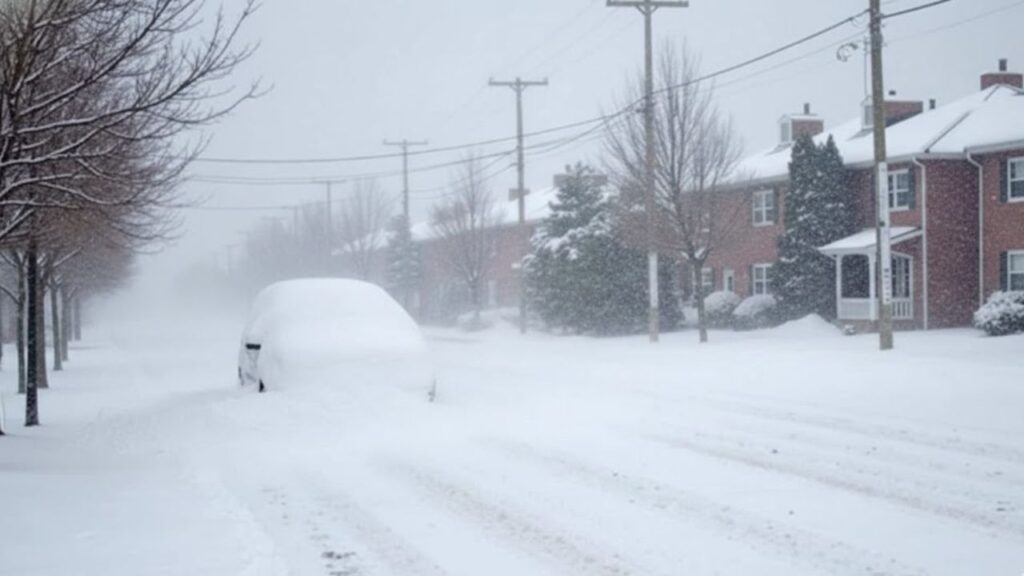
Phones lit up with alerts: Winter storm warning. Up to 70 inches possible in some areas. The number looked unreal. People checked once, then again, almost expecting it to change. Instead, forecasts intensified, and television maps grew deeper shades of red.
Some laughed it off. Others rushed out for milk and batteries. A few simply pulled blankets closer to the couch. Above it all, clouds thickened with quiet determination. Something significant was on the way.

When a Winter Storm Crosses the Line From Normal
There is ordinary snowfall, and then there is the kind that completely rearranges daily life. Meteorologists warn this system could deliver up to 70 inches of snow in the most affected bands, an amount rarely linked to a single winter event. Nearly six feet of snow is more typical of mountain time-lapse videos, not suburban driveways or grocery store parking lots.

This storm is being fueled by cold air locked firmly in place while moisture streams overhead, a classic setup for what forecasters call lake-effect or upslope snow in certain regions. The result is extreme contrast: one narrow zone may be buried, while towns just miles away see little more than a light coating. For anyone caught in that bull’s-eye, daily life quickly narrows to a single concern: can the front door even open?
In a lakeside town already under warning, road crews began rotating shifts before the first heavy flakes arrived. Salt domes are filled, plow blades mounted, and orange trucks idle behind the public works building, exhaust drifting into the frozen air. Inside the local supermarket, bread shelves sit nearly empty. Parents stock up on snacks and activities, while college students load carts with instant noodles and phone chargers.
Residents recall past storms as shared memories. One man gestures to a photo where only a side mirror peeks above a massive drift. Another scrolls through images of children leaping from second-story windows into towering snowbanks, laughing as if gravity had softened. These memories blend dread with a strange pride, and the new forecast presses directly on that nerve.
From a scientific perspective, a 70-inch snowfall sits near the edge of what is physically possible for a mid-latitude winter storm. It requires sustained moisture, deeply entrenched cold at multiple atmospheric levels, and wind patterns that repeatedly reload snow over the same corridor. This time, forecasters see a powerful low-pressure system drawing moisture from distant sources and colliding with Arctic air already moving south.
Computer models suggest heavy snow bands may form and barely budge, with snowfall rates briefly topping three inches per hour. Under conditions like that, plows fall behind, visibility collapses, and snow piles up faster than infrastructure can handle. It becomes less about total accumulation and more about speed, wind, and pressure. Power lines sag, roofs strain, and emergency responders weigh every call against the danger of sending crews out.
Getting Through a 70-Inch Forecast Without Panic
The smartest response to a storm of this scale is surprisingly simple: intentionally shrink your world. Focus on the immediate radius of home—where you’ll sleep, eat, stay warm, and stay connected. Start by creating a 72-hour bubble with water, shelf-stable food, medications, flashlights, batteries, and a reliable way to charge devices if power fails.
Lay out warm clothing where it’s easy to reach, even in the dark. Fill the gas tank before heavy snow begins, not after social media fills with photos of empty stations. If your heat depends on electricity, plan a backup: extra blankets, a safe alternative heat source, or a place you could stay if needed. These steps may feel basic, even dull, but boring is exactly the goal during a major winter storm.
Most problems arise from denial and impatience. People underestimate how quickly deep snow can trap a vehicle or how dangerous a short walk becomes when wind hurls ice into your face. The urge to make “one quick trip” is powerful, especially once isolation sets in.
 Goodbye Hair Dye for Grey Hair: The Conditioner Add-In That Gradually Restores Natural Colour
Stress also slips in quietly through routine. Parents juggle work emails while kids bounce off the walls. Elderly neighbors may not voice fear, but keep watching the street through the curtains. Sometimes the most meaningful step is simple outreach: a message saying “If your power goes out, knock on my door” can make all the difference. No one prepares perfectly every time.
Why Forecasters Are Speaking So Directly
This week, warnings have been unusually blunt.
“This is not a normal winter system,” a National Weather Service meteorologist said during a briefing. “If you’re in the warning area, plan as if travel may be impossible for several days.”
That tone is not about drama; it’s about influencing decisions before emergencies begin. Online, reactions swing between humor and genuine fear, but there is also a steady stream of practical cooperation. Neighbors offer snowblowers, check on pets, and arrange backup generators. On streets where people barely exchanged greetings in summer, a historic storm can suddenly spark a shared group chat.
Nearly everyone knows the moment when power flickers and a house goes unnaturally quiet, highlighting how small it feels beneath the sky. A storm of this scale sharpens that sensation. It reveals which communities are prepared, which rely on each other, and which households sit one blown transformer away from real trouble.
Emergency planners quietly track what they call storm multipliers: steep driveways, rural dead-end roads, neighborhoods with many older residents, and streets prone to flooding during rapid snowmelt. These areas often face the toughest challenges once snowfall ends and recovery begins.
Key Safety Reminders Before the Snow Hits
- Keep sidewalks and fire hydrants visible once shoveling is safe, so responders don’t lose critical time.
- Clear exhaust pipes on vehicles and generators to prevent carbon monoxide buildup.
- Check on those unlikely to ask for help, including older neighbors, new parents, and people with mobility challenges.
- Avoid driving into shallow-looking drifts at night; depth is difficult to judge in storm conditions.
After the Last Flake: What the Storm Reveals
When forecasts mention 70 inches of snow, attention jumps to records and headlines. Yet the true story unfolds in smaller moments: a neighbor clearing unfamiliar steps, a nurse pushing through thigh-deep snow to reach a night shift, a teacher recording lessons from a cluttered kitchen table.
Extreme weather strips routine down to its bones. Schedules bend, meetings dissolve into vague rescheduling, and children measure time in mugs of hot chocolate rather than bells. The storm will pass, but those long days often leave a mark. A forced pause can open a quiet space for reflection.
From a climate lens, each extreme event raises an uneasy question: is this isolated weather, or part of a larger shift? One storm cannot define a trend, yet repeated heavy, slow-moving systems suggest change. Many who grew up with predictable winters now say the seasons feel unfamiliar.
That may be why warnings like this resonate so deeply. They are not only forecasts, but reminders that the world beyond the window is not static scenery. It moves, adapts, and occasionally pushes back with 70 inches of cold insistence. When roads reopen and plows fall silent, the lingering question may not be how bad it was, but what we are learning from it.

Key Takeaways From the Storm Warning
- Exceptional snowfall volume: Up to 70 inches expected in highly localized bands, highlighting the rarity of the event.
- Daily life disruptions: Impassable roads, potential power outages, and strained emergency services.
- Practical preparation: Building a simple 72-hour plan focused on essentials and neighborhood support.
