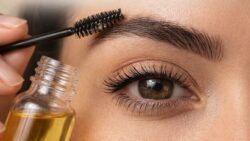
There’s a familiar hesitation many of us feel before adding blush. Tutorials insist it should go on before powder, while friends swear by doing the opposite. In the end, most people guess and hope their cheeks don’t look overdone. Recently, though, a quiet shift has appeared on TikTok and fashion runways. Makeup artists are now applying blush after powder, right at the end. Like adding warmth to a cool room, this simple change doesn’t just add color—it influences how fresh, natural, and lived-in your makeup looks all day. Sometimes, the most realistic flush comes from saving blush for last.
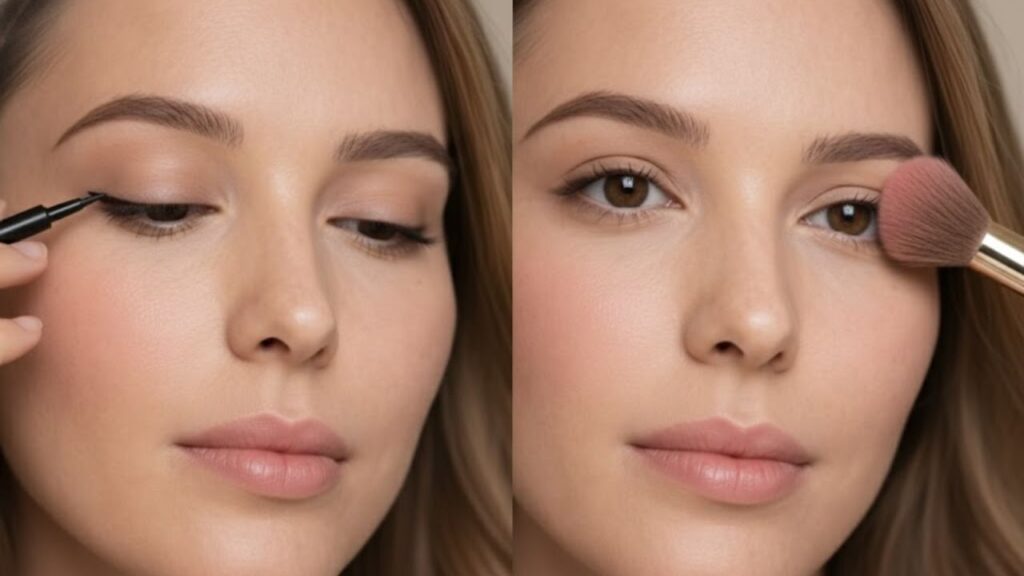
Blush After Powder
Why Blush Applied Last Looks Effortlessly Natural
The first time you watch a professional finish makeup with blush, it feels almost unexpected. The skin is already set—powder smooths texture, dark circles are concealed, and shine is controlled. You might expect the color to drag, cling, or highlight dryness. Instead, when the brush lightly skims the cheekbone, the blush melts into the matte base. The effect resembles warmth rising from within, not makeup sitting on top. Far from the heavy streaks many remember from teenage years, the color appears soft, subtle, and instinctively real.
Backstage in Paris, a young model described arriving with skin that looked perfect but flat. The artist waited until the loose powder had fully settled, then applied powder blush as the final touch. A few gentle taps along the upper cheeks, a whisper across the nose bridge, and a soft sweep near the hairline instantly revived her complexion. No sharp edges, no sticky areas—just the kind of flush you get after walking up a few stairs. That finishing step brought her face back to life.

The Logic Behind Applying Blush Over Powder
The reasoning is surprisingly simple. Powder locks in foundation, blurs texture, and evens tone. When blush comes afterward, it isn’t blending into concealer or disturbing coverage. Instead, a controlled layer of color sits on a stable base. This allows for clean placement, softer diffusion, and adjustable intensity. The face becomes a calm canvas, and blush becomes the living detail that makes skin look real—even under bright lights or in photographs.
 Goodbye Hair Dye for Grey Hair: The Conditioner Add-In That Gradually Restores Natural Colour
How to Apply Blush Over Powder Without Patchiness
Success depends on a light hand. Choose a clean, soft-bristled brush that fits the cheek area without being too large. Dip gently into powder blush, tap off excess, and apply to already set skin. Treat it the way you would a highlighter—no harsh pressure or aggressive strokes.
Use small circular motions or soft arcs to place color without disrupting the base. Begin slightly away from the nose, moving toward the upper cheekbone, then blending upward toward the temple. Any remaining pigment on the brush can lightly touch the nose or chin to balance the look. The aim isn’t visible blush, but a natural glow that feels part of the skin.

Avoid pressing harder for instant payoff, as this often causes patchiness. Instead, build in thin layers. Apply once, check in natural light, and add more only where light naturally hits the cheek. While this approach may feel indulgent for rushed mornings, it’s ideal for evenings when you want to look rested, fresh, and softly radiant.
Why Blush as the Final Step Changes Everything
What makes blush-after-powder so compelling is its subtle emotional impact. That final sweep of color gently shifts how you see yourself. The focus moves away from correction and coverage, revealing a face that feels awake and alive. Others may not notice exactly what’s different, but they sense a brighter, healthier presence.
When color comes last, blush becomes more than technique. It reflects vitality, aligning how you feel with how you appear. Those extra moments with a brush can quietly transform makeup from polished to naturally luminous.