On quiet Sunday afternoons, parks fill with moments that never make the news but linger for years. A grandfather perched on a weathered bench, holding a melting ice cream while a toddler solemnly explains why puddles are “tiny oceans.” A grandmother patiently tying and retying a shoelace, turning each loop into a pretend spell. There are no speeches or formal lessons. Just gentle, ordinary moments that settle deep in a child’s memory and quietly stay there for decades.
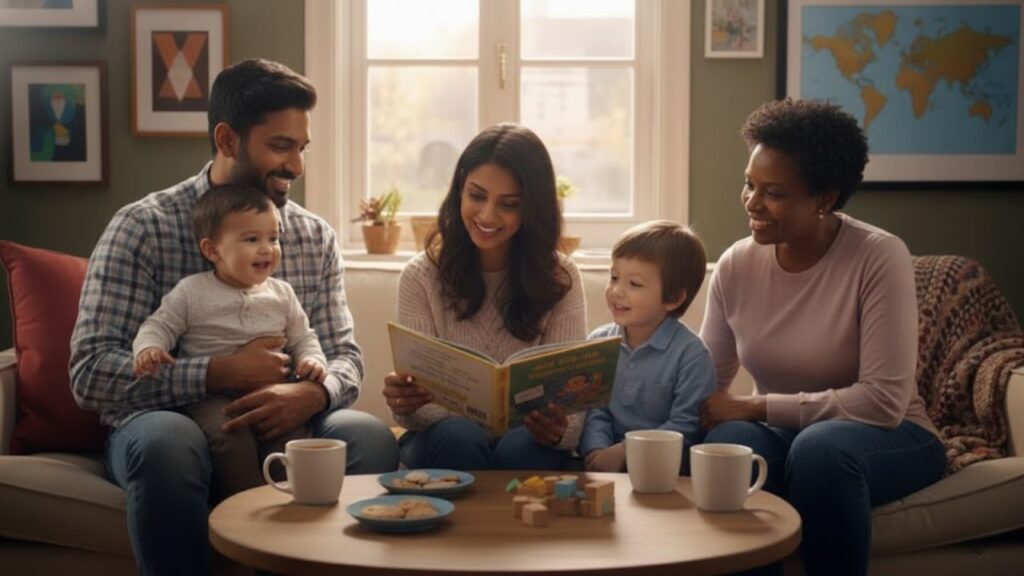
Psychologists say these memories are not accidental. The brain keeps them because they satisfy core emotional needs like safety, belonging, and curiosity. Some grandparents seem to create these moments naturally. Others learn over time, through sleepovers, school pickups, and shared routines. What matters is that certain patterns appear again and again in the memories children never forget.
1. They Offer Full, Undivided Presence
When adults recall a beloved grandparent, they rarely mention presents or outings. What they remember is presence. A grandfather setting aside the newspaper to truly listen. A grandmother sitting on the edge of the bed each night, asking for just one more story about school. Psychologists describe this as attuned attention: the feeling that someone is fully there, not distracted or half-absent.

For a child, that kind of focus is emotional fuel. It quietly communicates, “You matter enough for me to stop.” In a world filled with screens and constant interruptions, this stillness feels rare and deeply comforting. Studies on attachment show that children open up more when adults offer time without pressure. Over months and years, this consistent presence builds a secure emotional base that supports confidence and emotional balance.

No grandparent does this perfectly every day. The difference is not perfection, but intention. Children remember the overall pattern of being seen, not the occasional distracted afternoon.
2. They Keep Simple Rituals That Feel Magical
Family psychologists often highlight the power of rituals. Not elaborate traditions, but small, repeated actions that say, “This is ours.” Beloved grandparents often have these quiet signatures: Friday-night pancakes, a familiar song during every car ride, or a special goodbye gesture at the school gate.
For children, these routines become anchors in a changing world. New teachers, new homes, or family disruptions feel less overwhelming when something stays the same. Predictability brings calm. Research links family rituals to lower anxiety and a stronger sense of identity in children.
These habits don’t need to be rigid. Missing one week doesn’t erase their value. What matters is the pattern over time. A small, repeated gesture often carries more emotional weight than a rare, extravagant gift.
3. They Respect Parents While Adding Their Own Style
One quiet strength of deeply loved grandparents is their ability to support parents while still being themselves. They don’t compete with mothers or fathers, and they avoid criticizing parenting choices in front of children. Instead, they create a parallel safe space that complements, rather than challenges, the family structure.
This balance appears in everyday choices: following agreed bedtimes, respecting food rules, while adding their own warmth through stories, walks, or shared games. When adults stay aligned, children avoid feeling torn between loyalties. Psychologists call this an aligned hierarchy, and it reduces emotional stress.
By honoring boundaries and offering their own gentle flavor, grandparents help children feel supported by a united circle of adults. That sense of shared care becomes a quiet source of emotional security.
4. They Validate Feelings Before Fixing Problems
Children often turn to grandparents when something goes wrong, not because they expect solutions, but because they feel heard. Instead of rushing to advice, these grandparents begin by acknowledging emotions: “That sounds really hard,” or “I can see why you’re upset.” This is known as emotional validation.
 Goodbye Hair Dye for Grey Hair: The Conditioner Add-In That Gradually Restores Natural Colour
Validation doesn’t mean agreeing with every complaint. It means recognizing that the child’s inner experience makes sense. Research on emotion coaching shows that children who receive this response learn to manage emotions more effectively as they grow. They become more resilient and better able to handle setbacks.
A simple pattern often helps:
- Name the feeling the child is experiencing
- Normalize it without judgment
- Explore options only after emotions settle
Repeated over time, this approach quietly shapes emotionally steady adults.
5. They Share Stories That Give Roots
Stories are another lasting gift. Loved grandparents tend to share not only successes, but also mistakes, failures, and ordinary struggles from their past. These stories do more than entertain. They help children feel part of a longer family narrative.
Research shows that children who know both the highs and lows of their family history cope better with stress. Honest stories teach that setbacks are part of life, not the end of it. When a child struggles, hearing how a grandparent once failed and kept going provides quiet reassurance.
The goal isn’t to burden children with heavy history, but to offer age-appropriate truth. These shared memories become emotional scaffolding that children lean on during difficult moments.
6. They Let Children See Imperfect, Loving Humans
The most cherished grandparents rarely pretend to be flawless. They apologize when they overreact. They admit when they’re tired. They laugh at their own forgetfulness. This combination of steadiness and imperfection teaches an important lesson: love does not require perfection.
Attachment research shows that relationships thrive on repair, not faultlessness. When children see adults return and make things right, they learn that conflict doesn’t end connection. Apologies become bridges, not failures.
That’s why the most loved grandparents are often the most human ones. They stay, adjust, and keep showing up, even with mistakes along the way.
What These Habits Quietly Give Children
- Attuned presence that builds secure emotional bonds
- Simple rituals and shared stories that support resilience
- Respectful, honest relationships that model emotional safety
These habits are not about money or talent. They are about direction. A way of being that says, “You are seen. You are safe. You belong.” Even small, consistent changes can become tomorrow’s warm memories. Long after toys are forgotten, these moments are often what children remember most.