The late afternoon sun sliced through the living room, highlighting every streak, faded patch, and muddy footprint pressed into what were meant to be beautiful hardwood floors. It was the kind of light that doesn’t flatter. When a friend walked in, glanced down, paused, and politely said, “Oh, I love your floors,” the truth felt obvious.
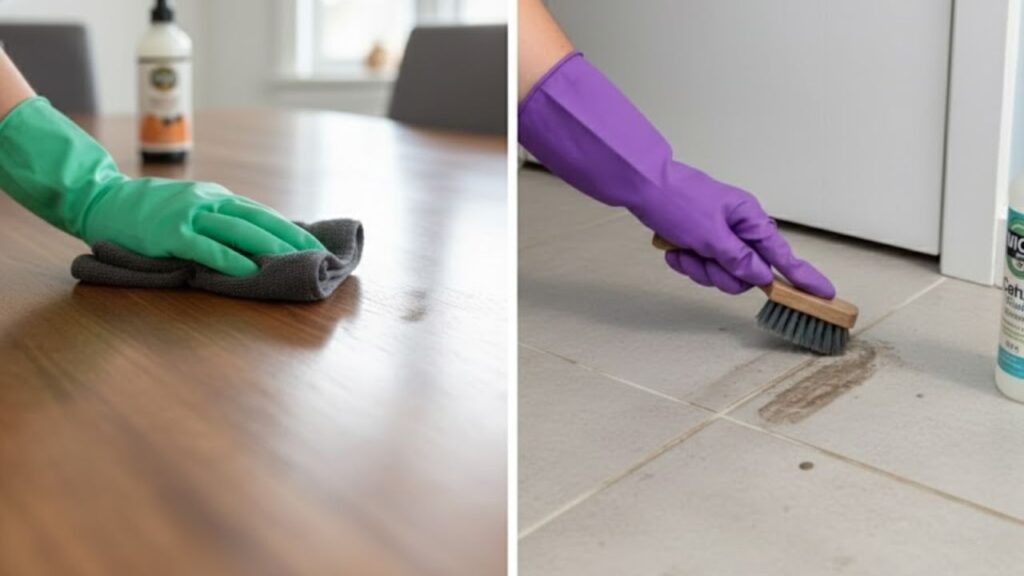
They were oak, technically. Once a costly choice. But years of kids running through, a dog skidding across the hallway, and heavy winter boots had stripped away that warm, honey-colored glow seen in magazines. Every typical solution had already failed: pricey “miracle” cleaners, sticky polishes that left residue, and viral DIY sprays that smelled sharp and delivered nothing.
A quiet suggestion from someone who’d tried it all
Then an older neighbor offered a tip with the calm certainty that comes from experience. “Use this,” she said simply, “and watch.” Afterward, the floors didn’t just look cleaner. They looked alive again.
The pantry staple hardwood lovers quietly rely on
The unexpected solution was plain white vinegar. Not the branded kind shouting about being eco-friendly, but the basic bottle sitting near the olive oil. Mixed correctly, it helps hardwood floors reflect light again in a way that makes you pause mid-step.

That faint, sharp scent often brings back memories of a grandmother’s kitchen. Once diluted and used on floors, vinegar doesn’t leave the sticky film common with commercial products. Instead, it cuts through thin layers of soap residue, wax, and everyday grime that mute the natural beauty of wood.
Used properly, it doesn’t coat the floor. It frees it. The grain becomes clearer, the tone richer, and the surface no longer feels sealed under plastic.
A real result that surprised even doubters
Jenna, a homeowner in her thirties balancing a demanding job, two kids, and a Labrador that treats the hallway like a racetrack, had tried multiple name-brand polishes. Each promised a “mirror shine.” What she got instead were slippery boards and cloudy buildup.
One weekend, frustrated by wasted money under the sink, she tried a simple mix she’d seen mentioned online: one cup of white vinegar in a bucket of warm water. She mopped once, let it dry, then took a photo because the change felt unreal.
The difference was immediate. Before, the floor looked dull and slightly greasy. After, reflections were clean and the wood lines stood out again. No fake shine. Just bright, well-cared-for floors. She sent the photo to her sister with a short message: “Apparently the answer was 89 cents a bottle.”
Why this simple method works so well
This understated trick keeps resurfacing among neighbors, cleaners, and renovation forums for good reason. Vinegar is acidic, but when diluted, it’s mild. That gentle acidity breaks down old cleaner residue, mineral buildup, and everyday dirt that makes hardwood look flat.
Many shine products work by adding something on top of the floor—acrylics, oils, or silicones. They look impressive briefly, then start streaking and trapping dust. Vinegar works differently. It removes what doesn’t belong so the original finish can show again.
When used occasionally, it’s safe for sealed hardwood finishes. It won’t fix scratches, but by clearing buildup around them, those marks often appear softer. Light spreads more evenly, much like wiping fog from glasses.
How to use vinegar for naturally brighter hardwood
The mixture is simple: 1 cup of white vinegar to about 1 gallon (4 liters) of warm water. Stir gently and avoid adding extra vinegar. More isn’t better.
 Goodbye Hair Dye for Grey Hair: The Conditioner Add-In That Gradually Restores Natural Colour
Start by sweeping or vacuuming thoroughly. Grit destroys shine. Lightly dampen a microfiber mop in the solution—it should be moist, not dripping. Mop in small sections, following the wood grain when possible.
Let the floor air-dry on its own. No fans or towels. Within minutes, the dull haze often fades and the natural glow returns. Sometimes the change is most noticeable when you leave the room and walk back in.
Common mistakes that reduce results
This method works best when it’s not overused. Because vinegar is inexpensive and effective, it’s tempting to rely on it constantly. It’s better used as a reset, not a daily habit. Once every few weeks, or monthly in busy homes, is usually enough.
Avoid using vinegar on unsealed or waxed wood. In those cases, acidity can cause damage. If you’re unsure about your floor’s finish, test a small hidden area and watch how it dries.
Some manufacturers discourage vinegar use to protect warranties. Their guidelines can offer reassurance. Still, many professional cleaners quietly rely on this exact mix, often pulled from a plain, unlabeled bucket.
“I’ve been cleaning houses for 20 years,” says Marie, who manages eight homes weekly. “Clients ask about expensive TV products. I smile, then use vinegar. It doesn’t fake shine. It reveals it.”
Small habits that help the shine last
- Use microfiber mops instead of cotton to avoid lint and streaks.
- Change the solution when it turns cloudy.
- Add one or two drops of essential oil if the scent bothers you.
- Keep shoes by the door; grit dulls floors fast.
- Spot-clean spills instead of re-mopping entire rooms.
Why this simple fix feels so satisfying
There’s a quiet satisfaction in realizing you don’t need shelves of branded bottles for good-looking floors. Just one pantry staple, warm water, and a few minutes. It cuts through the noise of endless promises.
When sunlight hits clean wood instead of streaks, the entire room feels different. Mornings feel calmer. The space looks sharper and more intentional.
On a deeper level, this small habit delivers a real improvement. Amid endless images of perfect homes online, your own slightly scratched, lived-in floor looks better in a tangible way. Not flawless. Just better.
The tip spreads quietly—shared by a neighbor, mentioned by a cleaner, buried in a forum comment. It isn’t flashy, but it lasts because it works.
And let’s be honest: no one does this every day. The shine doesn’t demand rigid schedules. It’s forgiving. That’s likely why people keep coming back to it—not out of pressure, but because the result shows up almost immediately.