
The sneakers were nothing remarkable. Slightly worn at the heel, grey laces that never stayed clean for long, the kind of shoes you slip on without a second thought. One quiet Sunday, standing between a half-open wardrobe and a growing pile of “keep or give away?”, Thomas picked them up and decided they might be more useful on someone else’s feet.
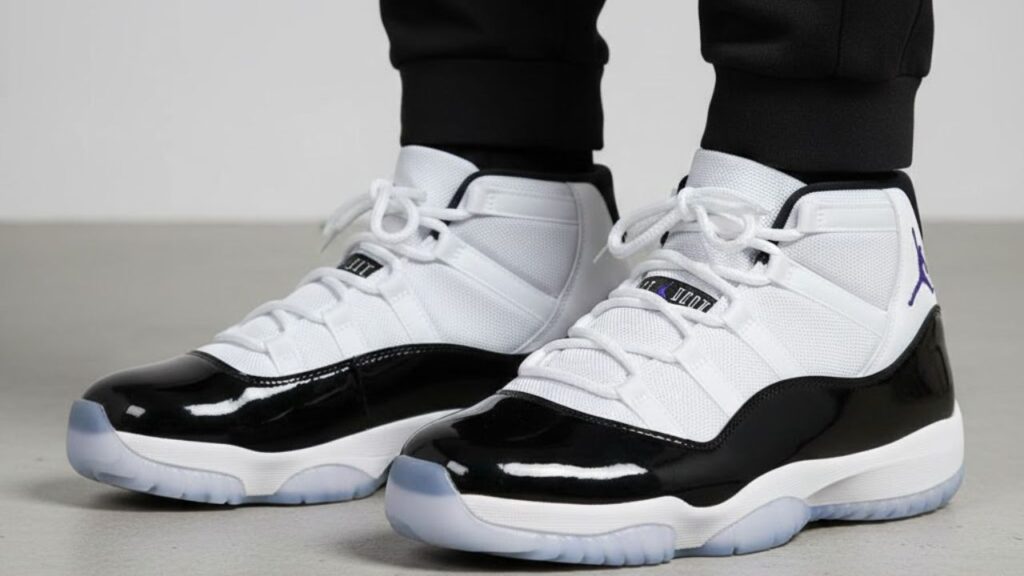
He dropped them into a Red Cross donation bin on his street, enjoying that small sense of relief that comes from decluttering while doing something good.
There was, however, one detail he kept to himself.
 A Major Polar Vortex Disruption Is Developing and Experts Say a February Event Like This Is Rare
Before leaving, Thomas had tucked an Apple AirTag beneath the insole. A tiny white disc, completely invisible once the shoe was back in place.

Several weeks later, his phone vibrated with a location update.
The sneakers had reappeared on the map, and they were far from where he expected them to be.
When a Kind Gesture Turns Into a Tracking Moment
The alert arrived on a Saturday morning as Thomas was drinking his coffee. He glanced at his screen and paused. The AirTag labeled “Sneakers – Donation” was no longer near the Red Cross container. Instead, a blue dot appeared in the middle of an open-air market on the edge of town.
Stalls lined up in rows. Bargain hunters moved between tables. And somewhere among them, his donated shoes now seemed to have a price attached.
Curiosity quickly took over.
Less than an hour later, Thomas was walking through the market, passing fake perfumes and piles of second-hand clothes, wondering whether he would really find them.
He did.
On a folding table, beside half-wilted plants and a stack of random T-shirts, sat his grey sneakers. The same scuff marks. The same stubborn stain on the toe. Above them, a handwritten sign read: “Branded shoes – €15.”
When Thomas asked where they came from, the seller, a man in his fifties, simply shrugged. “A guy brings me bags,” he said. Clothes, shoes, whatever. He sold the items, they split the money. No receipt. No official agreement. Just the informal resale economy working quietly in the background.
Scenes like this, captured in a few discreet photos, are far from isolated. Variations of the same story surface across cities and countries.
What feels like a surprising twist highlights a question many people never stop to ask: what actually happens to donations after they leave our hands? Charities receive overwhelming volumes of clothes and shoes. Some are kept, many are shipped abroad, and others are sold in bulk to intermediaries.
Along that chain, traders appear.
Nothing in this process is necessarily illegal. Still, for many donors, the emotional contract feels broken.

You imagine helping someone in need. Someone else sees a stock of goods with resale value. The AirTag simply made that invisible journey visible, one sneaker at a time.
Donating With Clarity, Not Regret
A small pause can change everything: slowing down the moment between “I don’t want this anymore” and dropping a bag into the nearest bin. Taking just a few minutes to ask two questions: who operates this container, and what do they do with the donations?
Official charity bins usually display clear logos, contact details, and a website. Anonymous or generic containers tucked behind supermarkets often offer far less transparency.
Before donating shoes or clothes, it helps to scan any QR code or quickly search the organization’s name. Transparent charities rarely hide their process.
Another practical habit is to sort donations as if you were giving them to a friend, not to a faceless system. No worn-out soles, no socks full of holes, no clothes you would be embarrassed to see someone wearing.
Those “maybe someone can still use this” items often cost charities money to dispose of. That’s where resellers quietly step in, buying mixed lots where usable items are bundled with waste.
Most people recognize the pattern: emptying years of unused clothes in one evening and wanting the bags gone by morning.
Realistically, nobody gets this perfect every time.
When that urge to clear everything out takes over, worrying about doing it “right” can feel overwhelming. Knowing a few simple signals in advance makes the process calmer and more intentional.
A volunteer at a local clothing bank put it plainly: “Donations aren’t magic. They follow the same rules as any product.” Quality attracts resellers. Volume attracts traders. Transparency, from both charities and donors, is the only real safeguard.
To keep donations on the most ethical path possible, a few checks can help:
- Look for a recognizable charity logo such as the Red Cross, Oxfam, or Salvation Army.
- Check whether the organization publishes an annual report explaining where donations go.
- Choose direct drop-offs at shops or centers over anonymous roadside bins.
- Ask openly if part of the donations are sold to fund the charity’s work.
- Reserve your best items for organizations or people you know personally.
What This AirTag Story Really Shifts in Perspective
The hidden AirTag in Thomas’s sneakers didn’t just expose a resale market. It quietly raised a deeper question: when we donate, are we giving an object, or a story about where it will end up?
In this case, the shoes likely found their way to someone who wanted them and was willing to pay a modest price. That outcome itself isn’t necessarily negative.
The discomfort comes from the gap between intention and reality. You picture a shelter, a struggling student, or someone rebuilding their life. Instead, you find a wire rack beside fake designer belts under a fluorescent “Promo” sign.
One version feels generous. The other feels transactional. And yet, the same pair of sneakers exists in both realities at once.
 Goodbye Hair Dye for Grey Hair: The Conditioner Add-In That Gradually Restores Natural Colour
| Key point | Detail | Value for the reader |
|---|---|---|
| Question the donation chain | Donated items can pass through several intermediaries and end up sold at markets | Helps adjust expectations and avoid feeling betrayed |
| Choose channels consciously | Favor known charities, clear labels, and direct drop-off points | Increases the chances your gift aligns with your values |
| Donate “friend-quality” items | Good condition goods are more useful and less likely to be treated as waste | Makes your gesture more effective for people who really need it |
