In workplaces, grocery aisles, and family living rooms, many adults carry invisible rules shaped by early hardship. Those who once counted every coin often navigate life guided by quiet instincts that influence spending, trust, and security. Even when their financial situation improves, these internal rules rarely disappear. Instead, they continue to shape daily decisions, emotional reactions, and long-term planning, revealing how deeply childhood poverty can imprint itself on adult behavior.
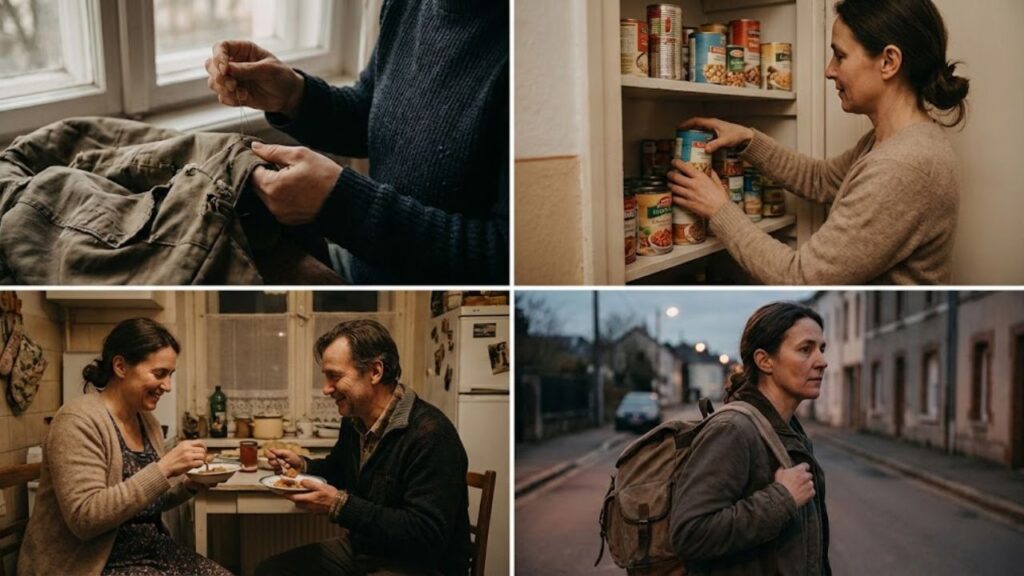
The lasting imprint of growing up with little
Poverty seldom leaves outward marks, but it often reshapes how people understand risk, safety, and fairness. A child who grew up with an empty fridge or unpaid bills learns quickly that stability can vanish without warning. For many adults raised in poverty, financial security never feels permanent, only borrowed. Psychologists often describe this as a scarcity mindset, where early lack trains the brain to constantly scan for danger, savings, or escape routes. While reactions differ, familiar patterns tend to repeat.
1. Defaulting to the lowest price
Even with a stable income, some adults instinctively choose the cheapest option. They compare labels, count small differences, and feel uneasy around anything labeled premium. This behavior is not about being cheap; it is learned survival. As children, one poor purchase could disrupt the entire household budget. As adults, spending extra money, even for better quality, can trigger physical discomfort. Often, the body remembers poverty more clearly than the bank balance does.
 Neither boiled nor raw : the best way to cook broccoli to preserve maximum antioxidant vitamins
2. Guilt tied to personal spending
Buying something enjoyable for themselves can spark internal debate: Is this necessary? What if something goes wrong next month? In households where every dollar or pound had a specific role, there was little room for indulgence. That lesson lingers. Many adults believe pleasure must be justified or earned repeatedly. As a result, self-care purchases feel selfish, generosity flows more easily toward others, and relaxation can feel risky, as if lowering their guard invites trouble.

3. Constant readiness for disaster
Many who grew up poor are always preparing for the worst. They mentally rehearse scenarios like job loss, illness, sudden repairs, or rising rent. This can lead to keeping older cars, avoiding long commitments, or saving money in multiple places. What may appear as pessimism is actually experience-based risk management. When childhood stability depended on luck, trusting that everything will work out becomes nearly impossible.
4. Exceptional resourcefulness
There is also a powerful strength that often develops: resourcefulness. Adults raised in poverty frequently excel at stretching food, fixing household items, and creating solutions from limited resources. What looks like creativity was once survival. These individuals know how to repair instead of replace, reuse instead of discard, and make something functional out of very little.
- Food: Batch cooking, freezing, and creatively reusing leftovers
- Household items: Repairing, repurposing, delaying replacements
- Money: Tracking small amounts, spotting waste and hidden costs
- Daily life: Sharing, borrowing, bartering, and finding free options
5. Ongoing anxiety around food
An almost empty fridge can feel alarming rather than inconvenient. Some adults keep cupboards overstocked or feel uneasy without knowing future meals in advance. Others eat quickly, a habit formed in homes where being last meant missing out. What may look like overeating or greed is often rooted in fear of scarcity and the belief that there may not be enough next time.
6. Difficulty throwing things away
Discarding items can be emotionally painful. Torn clothing becomes cleaning rags, jars are saved for later use, and broken objects wait indefinitely for repair. For those who once needed every item to last as long as possible, waste feels wrong. Even with higher earnings, many struggle to let go, haunted by the thought: What if I need this and cannot afford another? This mindset can clash with people who grew up replacing items easily.
7. Reluctance to ask for help
Growing up poor often teaches children that help may not arrive. Parents were stretched thin, services limited, and relatives equally struggling. Independence became necessary. As adults, this can look like extreme self-reliance: taking extra work, walking long distances, or enduring hardship quietly. Beneath this independence lies pride mixed with fear, including fear of judgment, rejection, or being seen as a burden.

8. Distrust of financial stability
Even with savings and steady income, many never fully relax. A raise feels temporary, and a healthy account balance feels fragile. Some check finances obsessively, spread money across accounts, or delay major life choices like homeownership or starting a family. Economic calm can feel unfamiliar and unsettling to someone raised expecting the next crisis.
9. Feeling out of place in professional spaces
In environments shaped by unspoken middle-class norms, adults from poor backgrounds may feel like outsiders. They question their clothing, accents, or personal stories. Many become skilled at code-switching, adjusting speech and behavior to fit in. This constant self-monitoring drains energy that colleagues from more comfortable backgrounds rarely need to expend.
10. Heightened empathy for others in struggle
One of the strongest legacies of poverty is deep empathy. Those who have experienced hunger or instability rarely judge others harshly for financial mistakes. They understand how narrow the margin is between stability and collapse. Often, they quietly help others, covering small costs, donating items, or offering support without public recognition. Having faced silent judgment themselves, they choose quiet solidarity instead.
How these patterns combine in everyday life
These behaviors rarely exist in isolation. Someone may save excessively, avoid help, and spend little on themselves while being extremely generous to others. Over time, this constant vigilance can lead to exhaustion. While there are clear strengths such as resilience, loyalty, and practical intelligence, there are also costs, including burnout, difficulty trusting stability, or remaining in underpaid roles out of fear of losing what little security exists.
Understanding the past without self-blame
Two ideas often help explain these patterns: financial trauma and class transition. Financial trauma reflects the emotional toll of repeated money stress, while class transition describes moving from a low-income childhood into a more comfortable adult life. Both bring complex emotions, including pride, guilt, anger, and relief. Recognizing these behaviors as learned responses rather than personal flaws can reduce shame. Many find reassurance in tracking small signs of stability or planning realistic responses to potential setbacks.
For many adults shaped by poverty, the real change comes when they stop seeing themselves as damaged and start recognizing themselves as highly trained. Trained by difficult circumstances, yes, but also equipped with resilience, adaptability, and empathy that wealth alone cannot create.